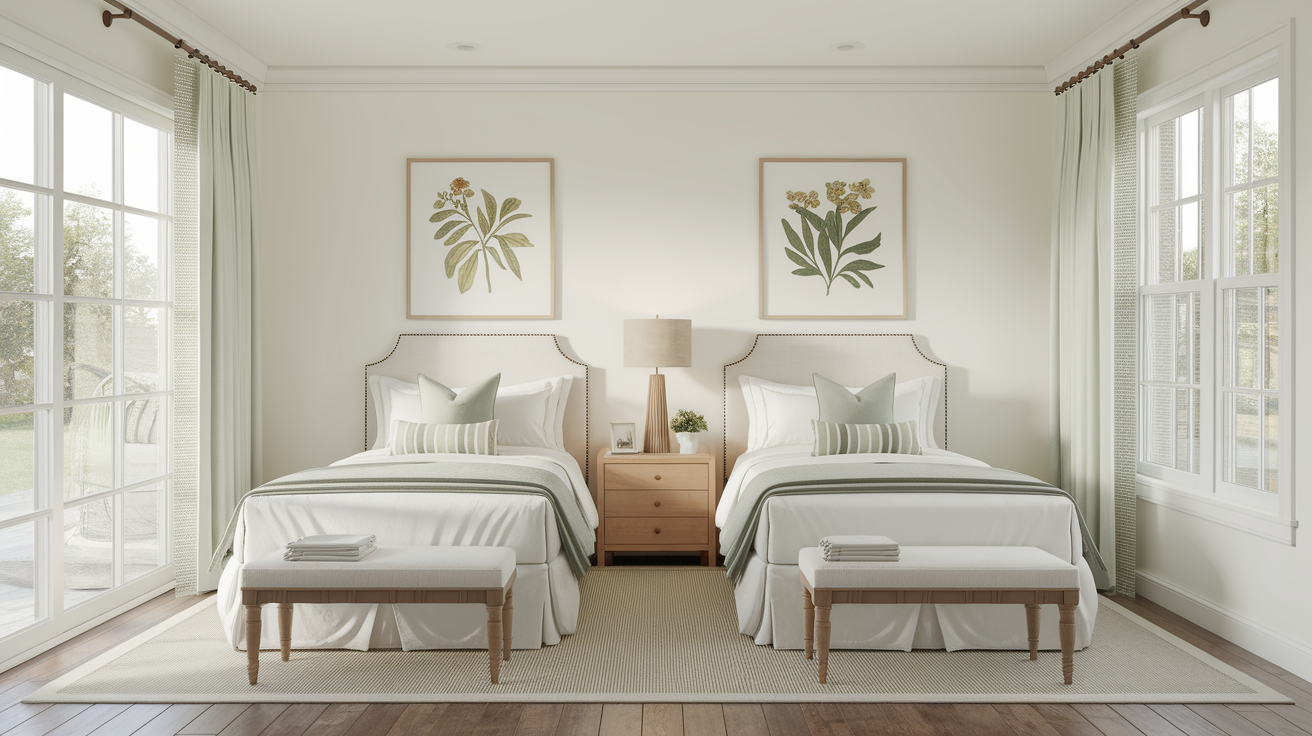
You know that awkward guest bedroom sitting in your home? The one that’s somehow become a catch-all for storage bins and forgotten hobbies?
Here’s the truth: designing a functional, beautiful guest space with twin beds doesn’t require a designer’s budget or professional expertise. What it does require is creative vision—and you already have that.
The challenge most of us face isn’t lack of ideas. It’s the overwhelming feeling that creating a stunning guest room means spending thousands on matching furniture sets and hiring professionals.
That’s simply not true. Some of the most captivating twin bed guest rooms I’ve seen were created by artists and creative thinkers who understood one fundamental principle: constraints fuel innovation.
Throughout this guide, you’ll discover practical layouts that maximize your existing space, color schemes that create emotional impact, and DIY solutions that add unique character without draining your wallet. Whether you’re working with a compact 10×10 room or a spacious area that needs definition, these ideas will help you craft a guest bedroom that reflects your artistic sensibility while providing genuine comfort.
The best part? You don’t need to tackle everything at once. Start with one inspiring element—maybe it’s a bold paint color or a creative headboard solution—and build from there. Your guest bedroom should tell a story about your hospitality and aesthetic vision. Let’s create that masterpiece together, one thoughtful decision at a time.
Classic Twin Bed Layouts That Inspire
Traditional Side-by-Side Arrangement
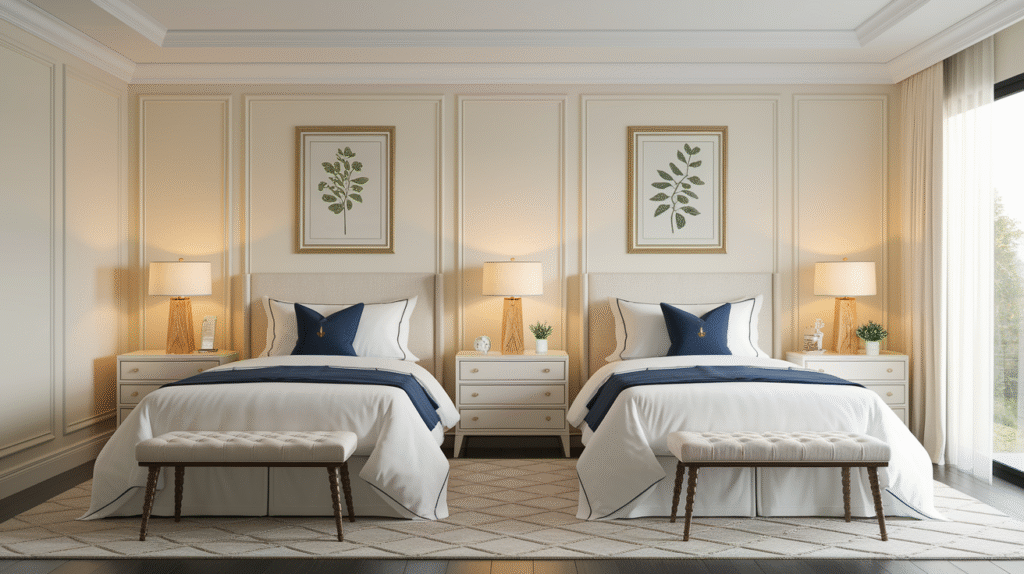
The side-by-side layout remains popular for good reason: it creates immediate visual balance and feels naturally welcoming. When you position twin beds parallel along one wall, you establish symmetry that the eye finds inherently pleasing. This arrangement works beautifully in rectangular rooms where you have one long wall to anchor the design.
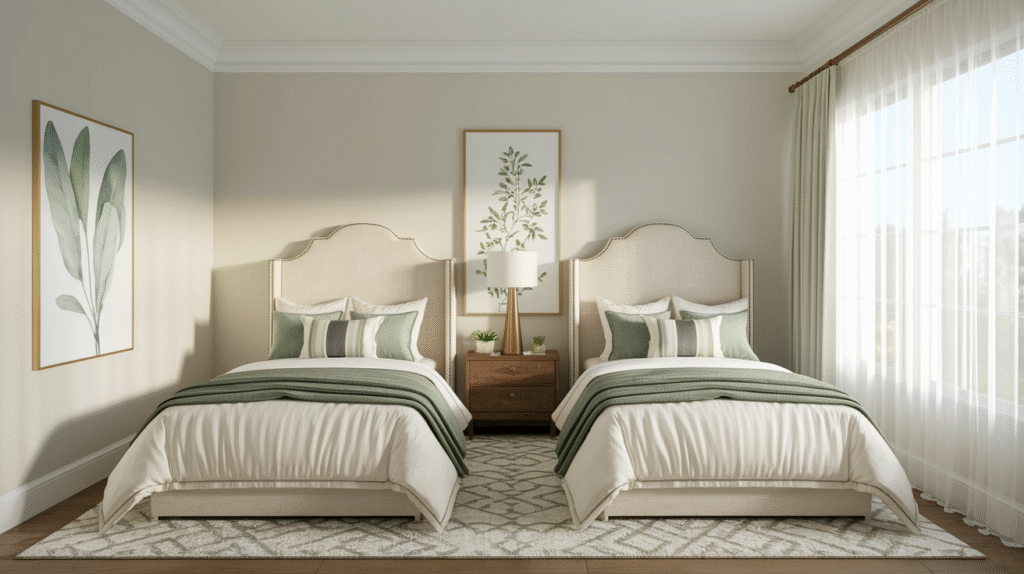
Here’s what makes this layout sing: matching nightstands flanking each bed create cohesion without looking cookie-cutter. You don’t need identical pieces—just similar heights and complementary styles. Place coordinating lamps on each nightstand, and you’ve created functional lighting that doubles as artistic bookends for your design.
The wall space between the beds becomes your creative playground. I’ve seen artists transform this area with everything from a single large-scale painting to a curated gallery wall of vintage prints. One designer friend hung a stunning woven wall hanging that added texture and warmth without overwhelming the space. The key is choosing something with visual weight that can hold its own between two beds—think bold, not timid.
For bedding, you have two approaches. Identical bedding creates a hotel-like elegance that many guests appreciate. But here’s where your artistic eye can really shine: choose coordinating patterns in the same color family instead. Maybe one bed features a geometric print while the other showcases a floral in complementary tones. This approach feels more collected and personal while maintaining the visual harmony that makes side-by-side arrangements work.
The L-Shaped Configuration
Got a square room or an awkward corner? The L-shaped configuration turns that challenge into an opportunity. By positioning beds perpendicular to each other, you create an intimate conversation area in the corner while maximizing floor space in the center of the room.
This layout shines in rooms with two exterior walls featuring windows. Each bed gets natural light, and you can create distinct zones within a single space. The corner where the beds meet becomes a natural spot for a small side table, a floor lamp, or even a cozy reading chair. I’ve seen this area transformed into a mini library with a narrow bookshelf—perfect for guests who love reading before bed.
Budget-conscious designers love this configuration because it makes smaller rooms feel larger. The open center space creates flow and prevents that cramped feeling you sometimes get with traditional arrangements. Plus, you can define each sleeping area with different but complementary decor elements. One bed might face artwork while the other looks out a window—both guests get unique experiences.
The trick with L-shaped layouts is maintaining visual connection between the two beds. Use a cohesive color palette throughout the room, and consider how the beds relate when viewed from the doorway. A large area rug that extends under both beds helps tie the arrangement together and defines the sleeping zone within the larger room.
Head-to-Head Placement
This unconventional approach places twin beds with their headboards against the same wall, creating a shared focal point that’s both practical and visually striking. It’s particularly effective in narrow rooms where side-by-side placement would feel cramped.
The shared headboard wall becomes your design statement. This is where you can go bold with vibrant wallpaper, a dramatic paint color, or an artistic mural treatment. I’ve seen this wall treated with everything from hand-painted patterns to peel-and-stick wallpaper featuring oversized botanicals. The impact is immediate and memorable.
From a space-saving perspective, this layout is brilliant. You need only one nightstand positioned between the beds (or wall-mounted shelves if floor space is tight). The rest of the room opens up for a dresser, desk, or seating area—amenities that transform a basic guest room into a true retreat.
One creative solution I love: create individual reading lights with wall-mounted swing-arm lamps positioned above each bed. This eliminates the need for table lamps and gives each guest personal control over their lighting. Add a small floating shelf above each bed for books, phones, and water glasses, and you’ve created functional sleeping spaces without cluttering the floor.
Color Schemes and Artistic Themes
Serene Coastal Palettes
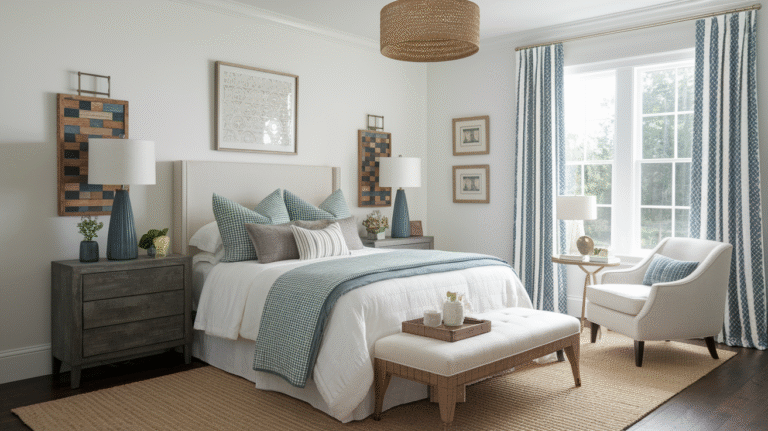
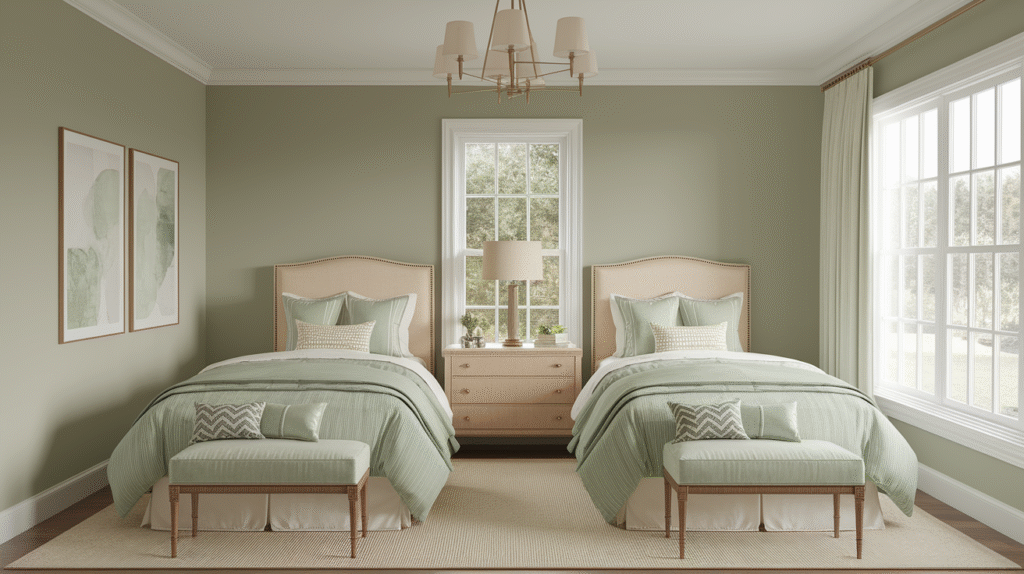
There’s something universally calming about coastal color schemes—they create instant tranquility that helps guests relax. The foundation is simple: layer various shades of blue with crisp whites and natural textures. But the magic happens in how you interpret this classic palette through your artistic lens.
Start with walls in soft, weathered blue or keep them white as a neutral backdrop. Then bring in deeper navy or aqua through bedding, throw pillows, and artwork. The key is varying your blues—think ocean depths, not monotone. One bed might feature navy striped bedding while the other showcases a lighter blue geometric print. This creates visual interest while maintaining the cohesive coastal theme.
Natural textures are your budget-friendly secret weapon here. Jute rugs, woven baskets, driftwood frames, and linen curtains all reinforce the coastal aesthetic without expensive price tags. I’ve created stunning coastal guest rooms using thrifted wicker baskets spray-painted white, rope-wrapped lamps from discount stores, and DIY artwork featuring simple watercolor washes in blue tones.
For artwork, you don’t need expensive prints. Create your own abstract ocean-inspired pieces using canvas boards and acrylic paint—even simple horizontal stripes in graduating blue tones make captivating wall art. Frame vintage nautical maps or botanical prints of coastal plants. One artist I know collected smooth stones from beach walks and arranged them in shadow boxes—completely free and deeply personal.
The beauty of coastal palettes is their forgiving nature. You can mix modern elements with vintage finds, combine different wood tones, and layer patterns without creating visual chaos. The unifying blue-and-white palette ties everything together while the natural textures add warmth that prevents the space from feeling cold or sterile.
Bold and Expressive Modern Looks
If serene isn’t your style, embrace bold, energetic color combinations that make a statement. Modern guest rooms can handle vibrant accent colors when you balance them with neutral foundations. Think charcoal gray walls with pops of emerald green, or warm white backgrounds with terracotta and gold accents.
The modern approach to twin beds often involves creating individuality within unity. Paint an accent wall in a saturated color—maybe deep teal or rich burgundy—then pull that color through in bedding and accessories. Keep the other walls neutral to prevent overwhelm. This creates drama without making the room feel small or dark.
Mixing patterns is where modern design gets really expressive. Pair geometric prints with organic shapes, combine different scales of pattern, and don’t be afraid of contrast. One bed might feature a bold chevron duvet while the other showcases a modern floral in complementary colors. The trick is maintaining a consistent color story—if your palette is navy, blush, and gold, every pattern should pull from those three colors.
Statement pieces don’t require big budgets when you’re creative. A single oversized piece of abstract art between the beds creates impact for less than buying multiple smaller prints. Thrift store lamps get new life with metallic spray paint. Inexpensive IKEA furniture becomes custom when you swap out hardware for brass or leather pulls.
Lighting plays a huge role in modern aesthetics. Look for sculptural lamps with interesting shapes—matte black, brushed brass, or concrete bases all read as contemporary. Even budget options from discount retailers look elevated when you choose pieces with clean lines and interesting silhouettes. Wall-mounted pendant lights flanking each bed create a boutique hotel vibe without the boutique price tag.
Timeless Neutral Masterpieces
Neutral doesn’t mean boring—it means sophisticated, layered, and endlessly adaptable. A neutral palette gives you the freedom to change accessories seasonally while maintaining a cohesive foundation. This approach is particularly smart if you’re working with existing furniture in various wood tones or mixed metals.
The secret to captivating neutral spaces is layering different textures and subtle variations in tone. Start with warm white or greige walls, then build depth through bedding, window treatments, and accessories. Think linen duvet covers, chunky knit throws, velvet pillows, and nubby wool rugs. Each texture catches light differently, creating visual interest without color.
Your neutral palette might include ivory, cream, beige, taupe, warm gray, and soft brown—all variations on a theme rather than a single flat color. Use the darkest tones (charcoal, espresso, black) as accents through picture frames, lamp bases, or decorative objects. This grounds the space and prevents it from feeling washed out.
Budget-conscious neutral bedding is easier to find than you might think. White or cream bedding from discount retailers looks expensive when you layer it thoughtfully. Start with quality cotton sheets (watch for sales), add a textured coverlet or quilt, then pile on throw pillows in various neutral fabrics. The layering creates luxury regardless of individual piece prices.
For artwork in neutral spaces, consider black-and-white photography, botanical line drawings, or abstract pieces in subtle tones. You can create stunning DIY art by framing fabric remnants, vintage book pages, or even pressed leaves between glass. The neutral palette lets these artistic touches shine without competing for attention.
Creative Headboard and Bedding Solutions
DIY Headboard Projects for Every Skill Level
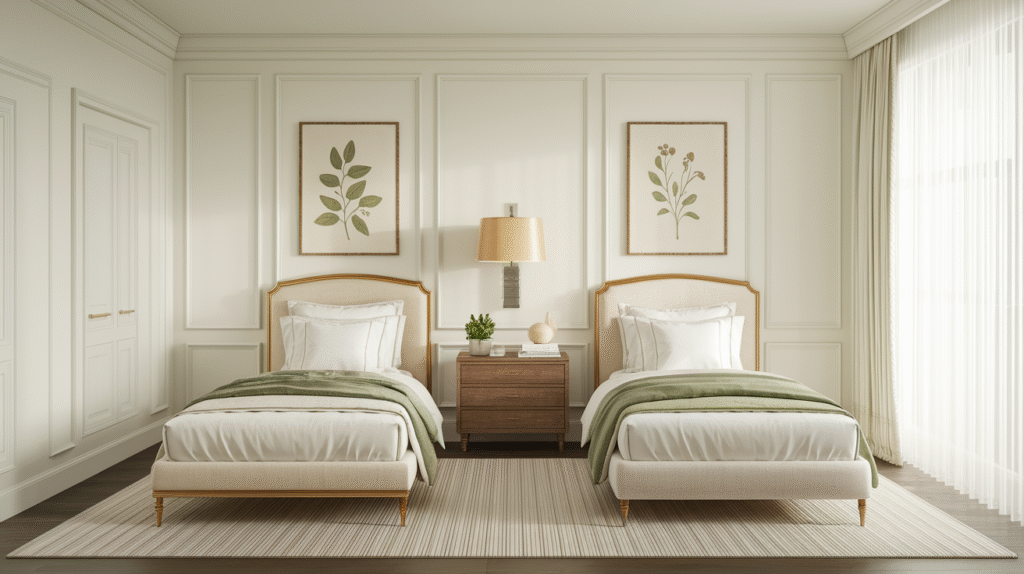
Headboards define the sleeping area and create visual anchors for twin beds—but you don’t need to buy expensive upholstered pieces to achieve this effect. The simplest headboard solution is actually painted directly on the wall. Use painter’s tape to mark off rectangles behind each bed, then paint them in a contrasting color or finish. Matte paint against eggshell, or a deep color against white walls, creates instant definition.
For minimal carpentry skills but maximum impact, try the reclaimed wood approach. Source weathered fence boards, barn wood, or pallet wood (ensure it’s heat-treated, not chemically treated), cut them to size, and mount them vertically or horizontally behind each bed. The natural variations in wood tone create organic beauty, and the rustic texture adds warmth. Sand rough edges, but embrace the imperfections—they’re part of the character.
Fabric headboards deliver softness without upholstery expertise. Stretch canvas drop cloths or decorative fabric over simple wooden frames made from 1×4 boards. Staple the fabric to the back, hang the frames on the wall, and you’ve created custom headboards for a fraction of retail prices. Choose washable fabrics for easy maintenance, and consider making removable slipcovers so you can change the look seasonally.
Gallery walls above each bed function as visual headboards while showcasing your artistic eye. Create symmetrical arrangements of frames in various sizes, maintaining consistent spacing and a unified color palette. Mix artwork, mirrors, and decorative plates for dimension. The beauty of this approach is its flexibility—swap out pieces whenever inspiration strikes, and the “headboard” evolves with your taste.
For renters or commitment-phobes, removable wallpaper creates stunning headboard walls without permanent changes. Apply it in rectangles behind each bed, or cover the entire wall for drama. Patterns like oversized florals, geometric designs, or textured grasscloth add personality and define the sleeping zones. When you’re ready for change, it peels off cleanly.
Bedding That Makes a Statement
Your bedding choices set the tone for the entire room and offer the easiest way to inject personality into guest spaces. The matching-set approach feels safe, but mixing and matching creates more visual interest and allows guests to feel like individuals rather than interchangeable occupants.
Here’s a foolproof formula: choose a consistent base color for sheets and main bedding pieces, then vary the patterns and accents. Both beds might have white sheets and duvets, but one features navy striped throw pillows while the other showcases a geometric print in the same navy. The cohesion comes from the shared color story, while the pattern variation adds energy.
Coordinating without matching also means you can shop sales and clearance items more effectively. You’re not hunting for two identical sets—you’re looking for pieces that complement each other. This approach is budget-friendly and often results in more unique, collected looks than perfectly matched sets.
Quality matters more than thread count marketing. Look for 100% cotton or linen fabrics that breathe well and improve with washing. Mid-range retailers often offer excellent quality at reasonable prices, especially during white sales. Invest in good sheets and pillows (your guests will notice), then have fun with less expensive decorative elements like throw pillows and blankets.
Don’t underestimate the power of the bed make. Hospital corners, properly fluffed pillows, and a neatly folded throw at the foot of each bed signal care and attention. Layer a flat sheet, coverlet or duvet, and decorative throw for a professional look. Add three to four pillows per bed—two sleeping pillows plus decorative shams or Euro pillows—for that boutique hotel aesthetic.
Textile Layering Techniques
Textile layering transforms basic beds into inviting retreats, and it’s a technique you can master regardless of budget. Start with your foundation: fitted sheet and flat sheet in a neutral or coordinating color. Quality here matters because these pieces touch skin directly.
Next comes your main covering—a duvet with cover, coverlet, or quilt. This layer introduces your primary pattern or color statement. Duvets offer versatility since you can change covers seasonally, while quilts add texture and work well in warmer climates. Choose based on your guests’ likely needs and your climate.
The third layer is where personality really shines: throws and blankets. Drape a chunky knit throw across the foot of the bed, fold a lightweight cotton blanket over the back of a chair, or layer a faux fur throw for texture and warmth. These pieces serve double duty—they’re decorative elements that also provide practical comfort for guests who run cold.
Pillows deserve their own strategy. Start with two standard sleeping pillows in quality down alternative or memory foam. Cover these with pillowcases that match your sheets. In front, add Euro shams (26-inch square pillows) or standard shams that coordinate with your duvet or coverlet. Finally, place one or two decorative throw pillows at the very front for color and pattern.
Seasonal swaps keep your guest room feeling fresh without major investment. Summer might mean lightweight cotton coverlets in bright colors, while winter calls for flannel sheets and velvet throw pillows. Store off-season textiles in vacuum bags under beds or in closets, and enjoy the ritual of refreshing the space as seasons change.
Finishing Touches and Functional Art
Lighting as Creative Expression
Lighting makes or breaks a guest room’s ambiance, yet it’s often treated as an afterthought. You need three types of lighting for a truly welcoming space: ambient (overhead), task (reading lights), and accent (decorative). The good news? You can achieve all three without electrical work or big budgets.
Bedside lamps are non-negotiable for guest rooms—visitors need to read, check phones, and navigate the room at night. Choose lamps with three-way bulbs so guests can adjust brightness to their preference. The lamps don’t need to match exactly, but they should relate in scale and style. Two different lamps in the same finish (both brass, both ceramic, both wood) create cohesion while adding interest.
If nightstand space is limited, wall-mounted swing-arm lamps solve the problem beautifully. These plug-in versions require only a small screw installation and free up surface space entirely. Position them about 18 inches above the mattress for optimal reading light. Choose styles with adjustable arms so each guest can direct light exactly where needed.
Ambient lighting often comes from overhead fixtures, but you can supplement with floor lamps in corners or table lamps on dressers. The goal is eliminating harsh shadows while creating warmth. Warm white bulbs (2700-3000K) feel more inviting than cool white, and dimmer switches (even plug-in versions for lamps) let guests control the mood.
Accent lighting adds magic. String lights aren’t just for dorms—delicate copper wire lights draped along a headboard or woven through a wall-mounted shelf create enchanting ambiance. Candles (flameless for safety) on nightstands or dressers add warmth. A small Himalayan salt lamp provides a gentle nightlight for guests unfamiliar with the space.
Budget-friendly lighting upgrades include spray-painting outdated lamp bases, rewiring thrift store finds (easier than it sounds), and shopping clearance sections at home stores. Even inexpensive lamps look elevated when you add quality lampshades—drum shades in linen or textured paper instantly upgrade any base.
Storage Solutions with Artistic Flair
Guests need places to put things, but storage solutions can be beautiful rather than purely functional. Think of storage as an opportunity to add texture, color, and personality to your twin bed guest room.
Baskets are your artistic storage allies. Woven seagrass baskets under nightstands hold extra blankets or pillows while adding organic texture. Wire baskets on walls become sculptural elements that hold towels or reading materials. Vintage suitcases stacked in a corner provide storage inside while creating visual interest outside—guests can use them for their belongings or simply appreciate them as decor.
Wall-mounted solutions maximize floor space in smaller rooms. Floating shelves above nightstands hold books, alarm clocks, and decorative objects. Pegboards painted to match your walls become customizable storage for bags, hats, or accessories. Wall-mounted hooks (choose attractive ones in brass, ceramic, or wood) give guests places to hang robes, jackets, or bags.
Nightstand styling balances form and function. Each nightstand should include a lamp, a small tray or dish for jewelry and small items, and perhaps a carafe of water with a glass. Leave space for guests’ phones, books, and glasses. A small plant, stack of art books, or decorative object adds personality without cluttering the surface.
If space allows, include a luggage rack or bench at the foot of one bed. This gives guests a place to set suitcases without using beds or floors. No room for dedicated luggage racks? Folding wooden racks store flat when not in use and cost less than $30.
Closet organization shows thoughtfulness. Provide wooden or velvet hangers (not wire), clear some drawer space if you have a dresser, and add a small basket on the closet floor for shoes. These small details make guests feel truly welcome rather than like they’re imposing on your space.
Personal Touches That Welcome
The difference between a guest room and a hotel room is the personal touches that reflect your artistic sensibility and show genuine care for your visitors’ comfort. These details don’t cost much, but they communicate volumes about hospitality.
Artwork is the most obvious personal touch, and it’s where your creativity can really shine. Choose pieces that make you happy—your enthusiasm for the art will resonate with guests. Mix mediums and styles if that reflects your aesthetic, or create a cohesive gallery wall around a theme. Original art from local artists, your own creations, or even beautifully framed prints all work.
Fresh flowers or plants bring life and color to guest rooms. A small vase of seasonal blooms on a dresser, a potted succulent on a nightstand, or a larger plant in a corner adds vibrant energy. If you travel frequently and can’t maintain fresh flowers, high-quality faux stems have come a long way—look for silk or latex options rather than plastic.
Thoughtful amenities transform good guest rooms into memorable ones. Stock a small basket with travel-sized toiletries, phone chargers in multiple formats, a flashlight, notepad and pen, and maybe a few snacks. Place a carafe of water with glasses on the dresser. Provide extra blankets in an accessible spot. These practical touches show you’ve anticipated guests’ needs.
Reading material personalizes the space and gives guests something to do. Stack coffee table books about art, design, or topics that interest you on nightstands or a small bookshelf. Include a few novels or magazines. This gives guests insight into your interests while providing entertainment.
A handwritten welcome note is the ultimate personal touch. Leave a short message on each nightstand welcoming guests, letting them know where to find things, and inviting them to make themselves at home. This small gesture creates warmth that no amount of expensive decor can replicate.
Create Your Guest Bedroom Masterpiece
Designing a stunning twin bed guest room isn’t about having unlimited funds or professional expertise—it’s about bringing your artistic vision to life through thoughtful choices and creative problem-solving. The most captivating guest spaces I’ve seen share common threads: they reflect the host’s personality, they balance beauty with function, and they make guests feel genuinely welcome.
You’ve now got a toolkit of practical layouts, color strategies, DIY solutions, and finishing touches that work together to create cohesive, inviting spaces. The side-by-side arrangement offers classic symmetry, the L-shaped configuration maximizes awkward spaces, and the head-to-head placement creates drama in narrow rooms. Coastal palettes bring serenity, bold modern schemes energize, and timeless neutrals provide sophisticated flexibility. DIY headboards and layered textiles add personality without draining budgets, while thoughtful lighting and storage solutions ensure genuine comfort.
Here’s what I want you to remember: budget constraints don’t limit creativity—they fuel it. Some of the most unique, beautiful guest rooms emerge when artists and creative thinkers work within limitations, finding innovative solutions that mass-market designs never achieve. That thrifted lamp you repaint, the artwork you create yourself, the clever storage solution you devise—these elements tell a story about your resourcefulness and artistic eye.
Start with one element that excites you. Maybe it’s painting an accent wall in that bold color you’ve been considering, or creating DIY headboards from reclaimed wood, or simply rearranging your existing twin beds into a more functional layout. Build from there, adding layers as time and budget allow. Your guest bedroom doesn’t need to be finished in a weekend—it can evolve as you discover new ideas and opportunities.
Your guest space is a reflection of your artistic hospitality, a physical expression of how you welcome people into your life. It deserves the same creative attention you’d give any artistic project. The twin beds you’re designing around aren’t limitations—they’re the foundation for a room that serves multiple guests comfortably while showcasing your unique aesthetic vision.
Start planning your guest bedroom masterpiece today. Measure your space, gather inspiration from the ideas that resonated most, and take that first creative step. Your future guests—and your artistic spirit—will thank you.