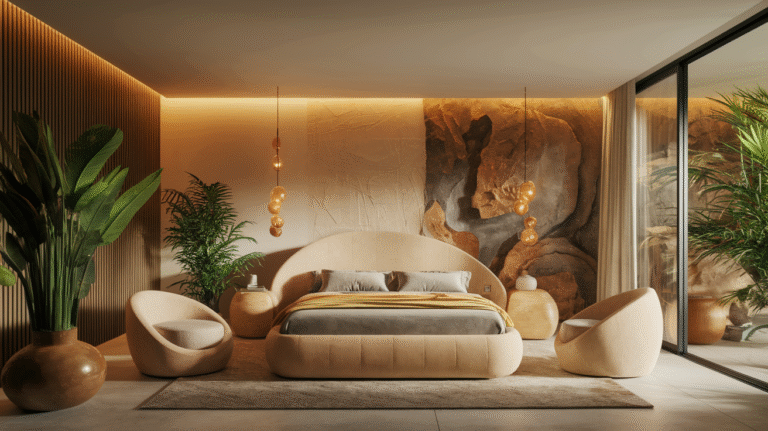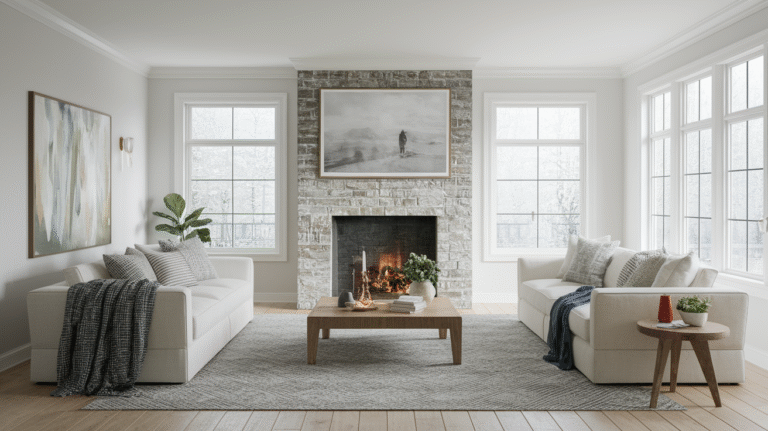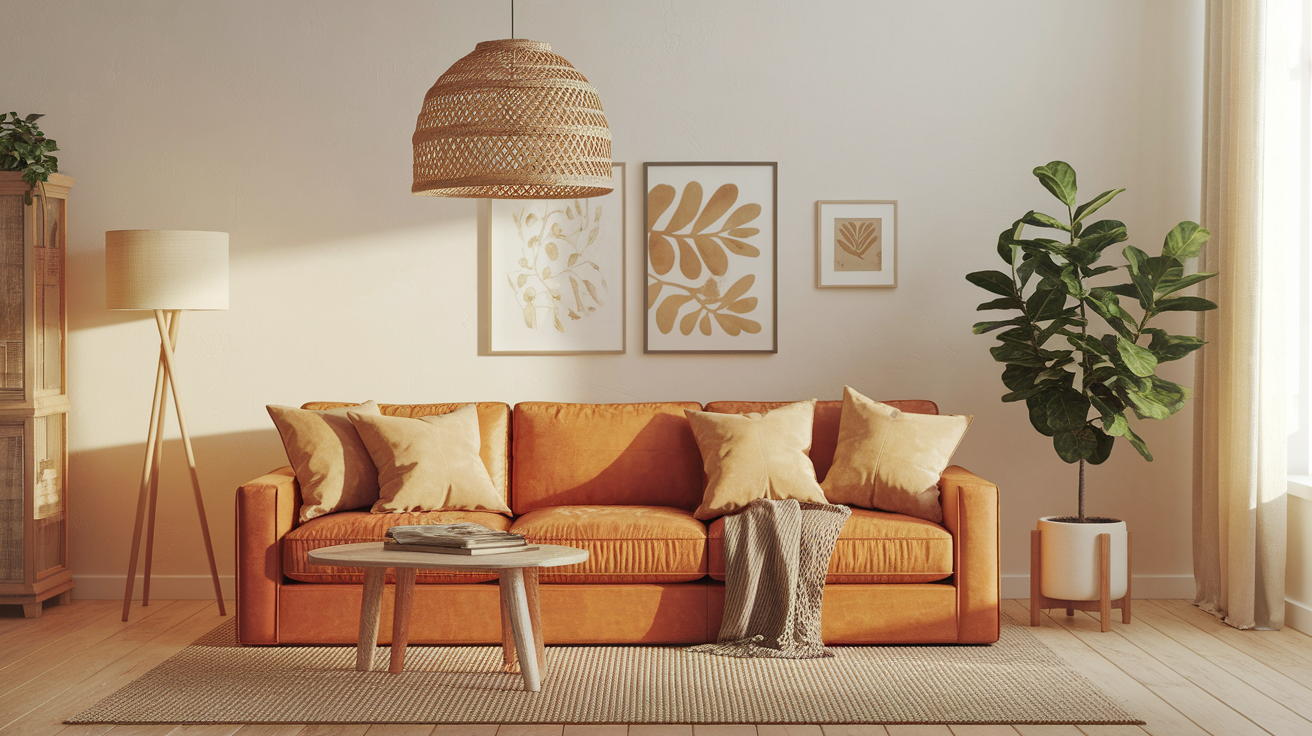
You know that feeling when you walk into a space and immediately exhale? That’s the magic of Japandi cottage style—a design approach that’s taking over Pinterest feeds and transforming homes into serene sanctuaries.
This isn’t just another fleeting trend. It’s a thoughtful fusion of Japanese minimalism, Scandinavian functionality, and cottage warmth that creates spaces you actually want to live in.
Here’s what makes this style so compelling: it solves the age-old design dilemma of choosing between minimal and cozy. You don’t have to pick anymore. Japandi cottage gives you clean lines without the cold feeling, warmth without the clutter, and beauty that serves a purpose.
In this guide, you’ll discover exactly how to bring this aesthetic into your own home. We’re covering everything from the core principles that define the style to room-by-room transformations you can start today.
Whether you’re working with a tight budget or you’re ready for a complete makeover, these actionable tips work for any skill level.
No complicated design jargon, no impossible-to-find materials—just practical advice that delivers real results.
Let’s create a space that feels like a warm hug and a deep breath at the same time.
Understanding the Essential Elements of Japandi Cottage Design
What Makes Japandi Cottage Unique
Japandi cottage isn’t just slapping together elements from different styles and hoping they work. It’s a deliberate marriage of three distinct design philosophies, each bringing something essential to the table.
Japanese wabi-sabi teaches us to embrace imperfection and find beauty in natural aging. That handmade ceramic bowl with the slightly uneven glaze?
That’s wabi-sabi. Scandinavian hygge brings functionality and that famous cozy factor—think chunky knits and candlelight. Cottage charm adds the warmth and lived-in comfort that makes a house feel like home.
The result is something entirely new. Pure Japandi can sometimes feel too austere for everyday living.
Traditional cottage style can veer into cluttered territory. But Japandi cottage hits that sweet spot where simplicity meets warmth, where every item has meaning without overwhelming your senses.
This hybrid approach creates spaces that calm your mind while wrapping you in comfort. You get the breathing room of minimalism with the soul of a cottage. It’s design that serves your life, not the other way around.
The Core Principles You Need to Know
Three fundamental principles guide every decision in Japandi cottage design, and understanding them transforms how you approach your space.
Simplicity with warmth means choosing clean lines that still invite you in. A low-profile sofa in natural linen with a chunky knit throw draped over the arm—that’s the balance we’re after. You’re not stripping away personality; you’re curating it intentionally.
Functionality meets beauty is where this style really shines. Every item should serve a purpose, but that doesn’t mean sacrificing aesthetics. A handwoven basket stores your throw blankets while adding texture to your room. A simple wooden bench by the door provides seating and displays a carefully chosen plant. Form and function become inseparable.
Nature as your guide grounds the entire aesthetic. This principle influences your material choices, color palette, and decorative elements.
Wood, stone, linen, wool—these natural materials connect your interior to the outside world. Even in the city, you’re creating a refuge that feels rooted in nature.
These principles work together to create cohesion. When you’re deciding whether something fits your Japandi cottage vision, run it through this filter: Is it simple yet warm? Is it both functional and beautiful? Does it connect to nature? If it checks these boxes, you’re on the right track.
The Amazing Color Palette That Defines This Style
Color sets the emotional tone of your space, and Japandi cottage relies on a specific palette that promotes calm while maintaining warmth.
Your neutral base forms the foundation. Warm whites—not stark, clinical whites—create brightness without coldness.
Soft beiges and gentle grays add depth while keeping things serene. These aren’t boring colors; they’re the canvas that lets natural materials and textures shine.
Natural accents bring life to your neutral base. Muted greens echo the outdoors—think sage, moss, and eucalyptus tones.
Earthy browns from wood furniture and woven elements add grounding warmth. Terracotta touches through ceramics or textiles introduce subtle energy without disrupting the calm.
The key is balancing light and dark. Too much white feels cold and sterile. Too much dark can feel heavy.
Japandi cottage layers these tones thoughtfully. Light walls with darker wood furniture. Soft beige textiles against charcoal accents. This interplay creates visual interest while maintaining that serene atmosphere.
Avoid bright, saturated colors that demand attention. If you love color, incorporate it through natural dyes in textiles or the green of living plants. The palette should whisper, not shout, creating a backdrop for peaceful living.
Quick Ways to Choose the Perfect Furniture and Materials
Selecting Furniture with Japandi Cottage Appeal
Furniture choices make or break this aesthetic, but the good news is that the guidelines are clear and surprisingly flexible.
Low-profile pieces with clean silhouettes ground your space and create visual calm. Think platform beds, sofas with simple wooden legs, and low coffee tables.
This doesn’t mean everything sits on the floor—it means furniture has an understated presence that doesn’t dominate the room.
The clean lines come from Japanese influence, but you soften them with natural materials and cozy textiles.
Natural wood is your best friend in Japandi cottage design. Oak brings warmth with visible grain patterns. Walnut adds richness and depth.
Light pine keeps things bright and airy. The proven power of wood lies in its versatility—it works in any room and ages beautifully.
Don’t worry about matching wood tones perfectly. Mixing different woods adds character as long as they share similar undertones (all warm or all cool).
Mixing rustic cottage textures with sleek forms creates the signature Japandi cottage look. A smooth, minimalist dining table paired with rustic wooden chairs. A clean-lined sofa with distressed wood side tables.
This contrast keeps the space interesting while honoring both design traditions. The key is balance—if your furniture leans too rustic, add sleek accessories. If it’s too minimal, layer in textured textiles.
Shop vintage and secondhand for authentic pieces with character. That weathered wooden bench from an antique shop often fits this aesthetic better than brand-new furniture trying to look old.
Natural Materials That Create Instant Harmony
Materials tell the story of Japandi cottage style, and choosing the right ones transforms ordinary spaces into something special.
Rattan and cane add instant texture and visual warmth. A rattan chair in the corner, cane webbing on cabinet doors, or a woven pendant light—these elements bring organic pattern without busy prints.
They’re lightweight visually, which keeps spaces feeling open, and they age beautifully. The webbed detailing creates subtle shadow play that adds depth to your rooms.
Linen, cotton, and wool for soft furnishings feel organic and inviting. Linen curtains filter light beautifully while maintaining privacy.
Cotton throw pillows in natural tones layer easily. Wool rugs and throws add essential warmth underfoot and on furniture.
These fabrics breathe, they’re durable, and they develop a lovely patina over time. Skip synthetic materials—they don’t age well and lack the tactile quality that makes this style work.
Stone and ceramic accents connect to earth elements and add weight to balance lighter materials. A stone bowl on your coffee table, ceramic vases in varying sizes, or a slate serving board in the kitchen—these pieces ground your design.
Choose handmade ceramics when possible. The slight imperfections embody wabi-sabi and add authenticity that mass-produced items lack.
Layer these materials throughout your space. A room with only wood feels one-note. But wood plus linen plus rattan plus ceramic creates rich, harmonious texture that engages the senses without overwhelming them.
Simple Storage Solutions That Keep Clutter at Bay
Japandi cottage demands thoughtful storage because clutter destroys the serene atmosphere you’re working to create.
Open shelving with carefully curated displays serves double duty. It stores your essentials while creating visual interest.
The trick is curation—display only items that are beautiful, functional, or both. A collection of ceramic bowls, a few favorite books, a small plant.
Leave breathing room between objects. Open shelving works especially well in kitchens and living rooms where you want to showcase quality pieces.
Woven baskets blend function with cottage charm seamlessly. They hide less attractive necessities (remote controls, toys, magazines) while adding texture and warmth.
Choose baskets in varying sizes and place them strategically—under consoles, on shelves, in closets. Natural materials like seagrass, jute, and rattan fit the aesthetic perfectly. Baskets are the unsung heroes of Japandi cottage storage.
Built-in solutions maintain clean lines while maximizing space. If you’re renovating or have the budget, built-in shelving, window seats with storage underneath, or custom closets eliminate furniture clutter. But even renters can create built-in effects with modular shelving systems that span wall-to-wall. The goal is storage that feels architectural rather than added-on.
The ultimate rule: if you don’t have a designated storage spot for something, you probably don’t need it. This style rewards ruthless editing. Keep what you use and love, store it beautifully, and let go of the rest.
Complete Guide to Creating Rooms with Japandi Cottage Style
The Living Room: Your Serene Gathering Space
Your living room sets the tone for your entire home, and Japandi cottage principles create a space that’s both social and restful.
Arrange furniture for flow and conversation. Position seating pieces to face each other, creating intimate groupings. Leave clear pathways—you should move through the room effortlessly. A low sofa paired with simple armchairs or floor cushions encourages relaxed gathering. Keep furniture away from walls; floating pieces in the room creates better flow and makes spaces feel larger.
Layer textures to achieve that perfect balance of minimal and cozy. Start with a jute rug as your foundation—it’s durable and adds natural texture. Layer a softer wool rug on top for comfort. Dress your linen sofa with chunky knit throws and cotton pillows in varying textures. This layering adds visual and tactile warmth without adding clutter.
Add greenery and natural elements as focal points. A fiddle leaf fig in a simple ceramic pot becomes sculptural art. Arrange dried pampas grass in a floor vase. Display found branches or driftwood on shelves. Plants bring life to neutral palettes and improve air quality. Choose planters in natural materials—terracotta, ceramic, or woven baskets—that complement rather than compete with your design.
Keep surfaces mostly clear. One beautiful object beats five mediocre ones. A single ceramic bowl on your coffee table makes more impact than a crowded arrangement. This restraint creates visual peace that defines the style.
The Bedroom: An Effective Retreat for Rest
Your bedroom should be a sanctuary, and Japandi cottage design creates the ultimate sleep-friendly environment.
Low platform beds or simple wooden frames anchor the room with understated elegance. Platform beds eliminate the need for box springs, keeping lines clean and low to the ground. If you prefer a traditional frame, choose one in natural wood with minimal detailing. The bed should feel substantial without dominating the space.
Soft, neutral bedding with subtle pattern mixing invites you to sink in. Start with quality linen sheets in warm white or soft beige. Layer a textured duvet or quilt—waffle weave, subtle stripes, or natural linen all work beautifully. Add throw pillows sparingly—two or three in complementary neutral tones. Mixing textures (smooth linen with nubby cotton with soft wool) creates interest without busy patterns.
Minimal nightstands and the art of negative space keep bedrooms peaceful. Choose simple wooden nightstands or even floating shelves. Each surface should hold only essentials—a lamp, perhaps a small plant or book. Embrace negative space; empty walls and surfaces give your mind room to rest. If you need storage, opt for nightstands with drawers to hide clutter.
Remove electronics when possible. The bedroom should promote rest, not stimulation. If you must have a TV, hide it in a cabinet or behind a simple screen. Keep lighting soft with paper pendant lights or simple wooden lamps with warm bulbs.
The Kitchen: Where Function Meets Beauty
Kitchens present unique challenges, but Japandi cottage principles create spaces that are both hardworking and beautiful.
Open shelving displaying essential ceramics and glassware replaces upper cabinets for an airy feel. This works best when you own quality pieces you’re proud to display. Arrange dishes by color and size, leaving space between items. Open shelving forces you to keep only what you use, which aligns perfectly with this aesthetic. If full open shelving feels impractical, replace just a few upper cabinets to test the waters.
Natural wood countertops or butcher block accents bring warmth to kitchens. If replacing all countertops isn’t feasible, add a butcher block cutting board as a permanent fixture or install a wood counter on an island. Wood patinas beautifully with use, embodying wabi-sabi principles. Pair wood with simple white or neutral tile backsplashes for balance.
Muted green or warm brown cabinetry adds cottage warmth while maintaining sophistication. Sage green cabinets with brass hardware create instant character. Warm brown stained wood offers timeless appeal. If painting cabinets isn’t an option, work with what you have by styling with Japandi cottage accessories—wooden utensils in ceramic crocks, linen dish towels, plants on windowsills.
Keep counters clear except for daily essentials. Store small appliances in cabinets. Display only your most beautiful tools—a wooden spoon collection, a ceramic fruit bowl, a quality knife block. This discipline creates the calm, functional workspace this style promises.
The Bathroom: A Spa-Like Sanctuary
Bathrooms might be small, but they’re essential to your daily routine and deserve thoughtful design.
Natural stone and wood elements withstand moisture while adding organic beauty. A wooden bath mat, stone soap dishes, or pebble tile flooring bring nature into this functional space. Choose teak or bamboo for wood elements—they handle humidity well. Stone countertops or vessel sinks make beautiful focal points.
Simple, quality fixtures in matte black or brushed brass elevate the entire space. Replace builder-grade chrome with fixtures that have presence. Matte black creates striking contrast against light walls. Brushed brass adds warmth and works beautifully with wood tones. These upgrades deliver significant visual impact for relatively modest investment.
Minimal accessories with maximum impact keep bathrooms serene. A few rolled towels in a basket, a small plant, quality soap in a ceramic dish—that’s all you need on display. Store toiletries in cabinets or woven baskets under the sink. Choose towels in natural tones (white, beige, soft gray) and display them folded or rolled for spa-like appeal.
Add a small wooden stool for both function and style. It holds towels, provides a place to sit, and adds that essential wood element. If space allows, incorporate a plant that thrives in humidity—pothos, snake plants, or ferns bring life to bathrooms.
Essential Decor Tips and Styling Secrets
The Art of Thoughtful Display
Styling makes the difference between a room that’s simply furnished and one that feels complete, but Japandi cottage styling requires restraint.
Gallery walls with simple frames and nature-inspired art personalize your space without overwhelming it. Choose frames in natural wood or matte black, keeping them consistent throughout the wall. Mix botanical prints, abstract landscapes, and simple line drawings. Leave space between frames—they shouldn’t touch. The wall itself becomes part of the composition.
Style shelves without overcrowding by following the one-third rule: leave roughly one-third of your shelf space empty. Group items in odd numbers (three vases, five books) and vary heights. Place larger items at shelf ends, smaller items in the middle. Mix books with decorative objects, but keep the overall look edited. Remove anything that doesn’t earn its place.
The proven rule of three guides arrangement of decorative objects. Three items of varying heights create visual interest without complexity. A tall vase, a medium ceramic bowl, and a small plant on a side table, for example. This odd number feels balanced and intentional. Apply this rule to coffee tables, mantels, and console styling.
Remember: you’re not filling space, you’re creating moments of beauty. Each vignette should have breathing room around it. When in doubt, remove something rather than add.
Lighting That Sets the Perfect Mood
Lighting transforms spaces from ordinary to extraordinary, and Japandi cottage relies on layered, natural-looking light.
Layer ambient, task, and accent lighting for flexibility throughout the day. Ambient lighting (overhead fixtures or floor lamps) provides general illumination. Task lighting (desk lamps, reading lights) serves specific activities. Accent lighting (picture lights, candles) highlights features and creates mood. You need all three layers to create truly functional, beautiful spaces.
Paper lanterns and woven pendant lights add Japandi charm while providing soft, diffused light. Rice paper lanterns over dining tables or in bedrooms create gentle ambient glow. Woven rattan pendants add texture and cast beautiful shadow patterns. Choose fixtures with simple silhouettes that complement rather than dominate your rooms.
Maximize natural light through simple window treatments. Linen curtains in light neutrals filter harsh sun while maintaining brightness. Bamboo shades add texture and can be layered with curtains for flexibility. Avoid heavy, dark window treatments that block light. If privacy isn’t an issue, leave windows bare to flood rooms with natural light.
Use warm-toned bulbs (2700-3000K) throughout your home. Cool, blue-toned light feels harsh and works against the warm, natural aesthetic. Dimmer switches let you adjust lighting to match your mood and the time of day.
Quick Textile Choices That Add Warmth
Textiles are where Japandi cottage style shows its cozy side, and choosing the right ones makes all the difference.
Layer rugs for both practical and aesthetic reasons. Start with a large jute or sisal rug as your foundation—it’s durable, affordable, and adds natural texture. Layer a smaller, softer wool rug on top in a complementary neutral tone. This layering adds visual interest, defines seating areas, and provides comfort underfoot. The combination of rough and soft textures embodies the style’s balance.
Throw pillows in varied natural textures transform furniture instantly. Mix smooth linen with nubby cotton, add a chunky knit or two, include one in soft wool. Stick to your neutral palette but vary the textures to create depth. Four to five pillows on a sofa is plenty—more looks cluttered. Arrange them casually, not rigidly lined up.
Curtains that filter light while maintaining privacy complete your windows beautifully. Linen is the gold standard—it drapes beautifully, filters light softly, and ages gracefully. Hang curtains high (close to the ceiling) and wide (extending beyond the window frame) to make windows appear larger. Choose floor-length panels for elegant proportions.
Invest in quality over quantity. One beautiful linen throw beats three cheap acrylic ones. Natural fibers feel better, last longer, and develop character over time. They’re worth the investment.
Plants and Natural Elements
Living elements bring Japandi cottage spaces to life and connect interiors to the natural world.
Easy-care plants that thrive indoors work best for real-life spaces. Snake plants tolerate neglect and low light. Pothos vines grow enthusiastically with minimal care. Fiddle leaf figs make dramatic statements in bright corners. Choose plants based on your light conditions and maintenance willingness. Dead plants don’t enhance any aesthetic.
Display dried florals and branches for year-round beauty without maintenance. Pampas grass, eucalyptus, and dried lunaria add height and texture. Arrange them in simple ceramic or glass vases. Foraged branches from your yard (with interesting shapes or lichen) become free, sculptural art. These elements bring nature inside without the upkeep of living plants.
Use natural wood pieces and stones as sculptural elements. A beautiful piece of driftwood on a shelf, smooth river stones in a shallow bowl, a cross-section of wood as a trivet—these found objects cost nothing but add authentic natural beauty. They embody wabi-sabi’s appreciation for natural imperfection and connect your space to the outdoors.
Group plants in odd numbers and varying heights. Three plants of different sizes create more visual interest than three identical ones. Use natural planters—terracotta, ceramic, or woven baskets—that complement your overall palette.
Your Japandi Cottage Journey Starts Now
We’ve covered a lot of ground, from the core principles that define Japandi cottage style to specific room-by-room transformations. Let’s bring it all together so you can start creating your own serene sanctuary.
Japandi cottage style is the perfect balance of minimal and cozy. It gives you the breathing room of minimalism without the cold, stark feeling. You get the warmth of cottage style without the clutter. This balance makes it livable, sustainable, and adaptable to your real life.
Focus on natural materials, neutral colors, and functional beauty. These three pillars guide every decision. When you’re shopping or styling, ask yourself: Is this made from natural materials? Does it fit my neutral palette? Is it both functional and beautiful? If the answer is yes to all three, it belongs in your Japandi cottage home.
Start small—even simple changes create amazing transformation. You don’t need to renovate your entire house this weekend. Pick one room, or even one corner, to begin. Declutter it first, then thoughtfully add back only what serves you. Swap out a few accessories for natural materials. Add a plant. Layer a throw. Small changes compound into significant transformation.
Here’s your action plan: Choose one room to focus on first. The bedroom often works well because it’s personal and you’ll immediately benefit from the calming effects. Declutter ruthlessly—remove everything that doesn’t serve a clear purpose or bring you joy. Then shop your home before buying anything new. That wooden bowl in the back of your cupboard? It might be perfect for your coffee table. Those white sheets you forgot about? They could anchor your new neutral bedding scheme.
As you bring items back into the room, place them intentionally. Create space around objects. Let walls breathe. Resist the urge to fill every corner. This style rewards restraint and thoughtfulness.
Trust the process: less really is more. At first, your pared-down space might feel empty. Give it time. As you adjust to the calm and visual peace, you’ll realize you don’t miss the excess. You’ll start noticing the beautiful grain in your wooden furniture, the way light filters through your linen curtains, the sculptural quality of that single plant in the corner.
This style is accessible to everyone, regardless of budget. Natural materials like wood and linen are often more affordable than synthetic alternatives. Shopping secondhand yields authentic pieces with character. Many elements—like decluttering, rearranging furniture, and foraging natural objects—cost nothing at all.
Create a space that feels uniquely yours while embracing these proven principles. Japandi cottage provides the framework, but your personal touches make it home. Display that handmade ceramic piece from your travels. Include books you actually read. Choose colors that make you feel peaceful.
Start pinning your favorite ideas from this guide. Create a vision board that captures the feeling you’re after. Then take action—even one small change today moves you closer to the serene, functional, beautiful home you deserve. Your Japandi cottage transformation begins right now.