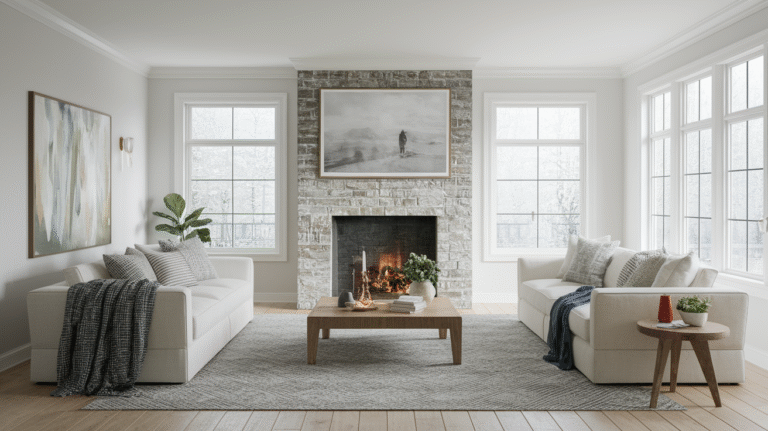
You’re staring at your creative space, feeling uninspired. Clutter crowds your desk, mismatched furniture overwhelms your senses, and that blank canvas seems even more intimidating in this chaotic environment.
What if I told you there’s a design philosophy that could transform your space into a sanctuary that actually fuels your creativity rather than drains it?
Welcome to Japandi Zen interior design—the stunning fusion of Japanese minimalism and Scandinavian functionality that’s capturing the hearts of artists and creative individuals worldwide.
This isn’t just another trendy aesthetic. It’s a thoughtful approach to creating spaces that breathe, inspire, and support your artistic practice without requiring a designer budget.
The beauty of Japandi design lies in its accessibility. You don’t need to gut your entire home or spend thousands on new furniture.
This style celebrates simplicity, natural materials, and intentional choices—principles that work perfectly for creative people who want beautiful, functional spaces that don’t break the bank.
In this guide, you’ll discover exactly how to create your own Japandi Zen retreat. We’ll explore the core principles that make this aesthetic so powerful for creative work, share budget-friendly strategies that deliver stunning results, and provide actionable steps to transform your space room by room.
Whether you’re working with a tiny studio apartment or a dedicated creative corner, you’ll learn how to craft an environment that calms your mind and ignites your imagination.
Understanding the Artistic Soul of Japandi Zen Design
What Makes Japandi Zen Unique and Inspiring
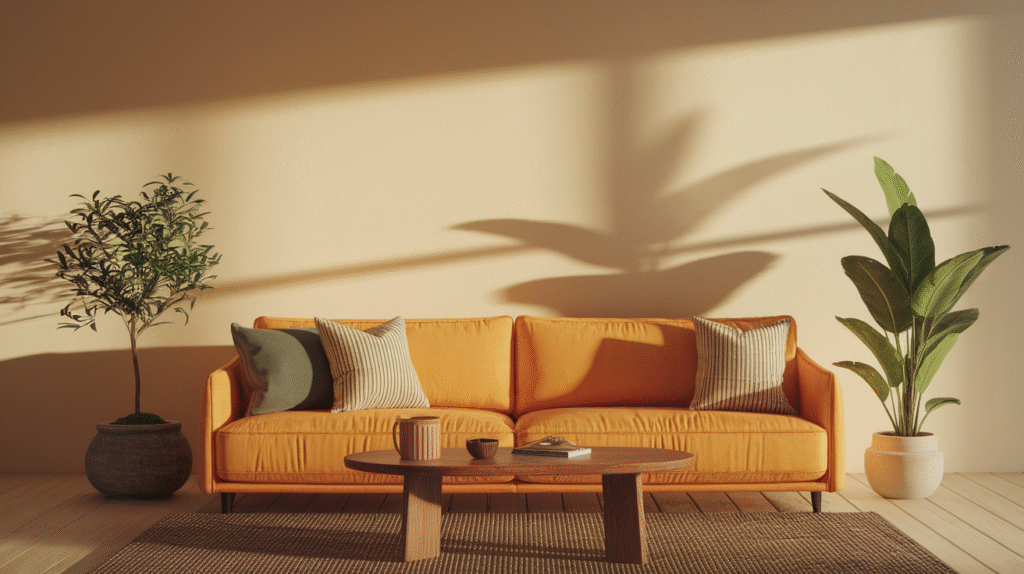
Japandi design represents something truly special—the perfect marriage of two design philosophies that complement each other beautifully.
On one side, you have Scandinavian “hygge,” that cozy, warm feeling of contentment and well-being.
On the other, Japanese “wabi-sabi,” the profound appreciation for imperfection, impermanence, and the beauty of natural aging.
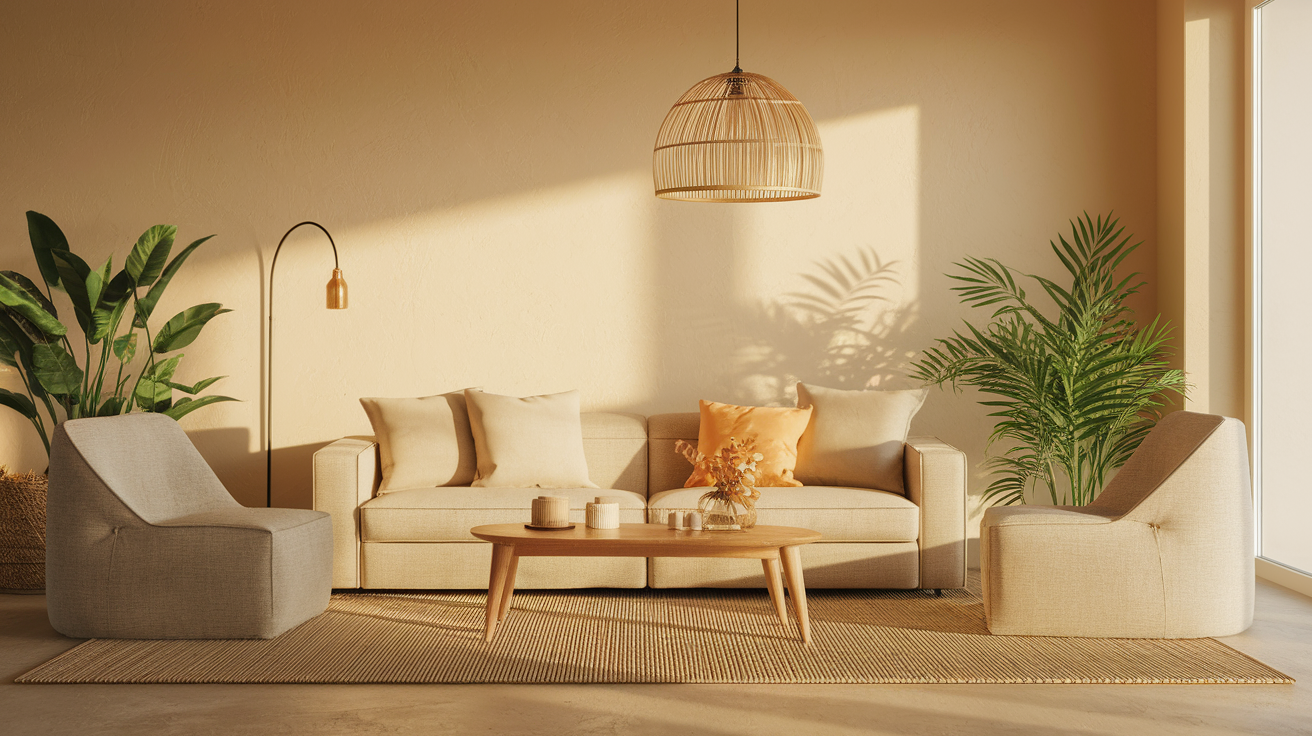
This fusion creates spaces that feel both inviting and serene. The Scandinavian influence brings warmth through natural wood tones, soft textiles, and functional design.
The Japanese elements contribute clean lines, low-profile furniture, and a deep respect for negative space. Together, they form an aesthetic that’s neither cold nor cluttered—just perfectly balanced.
For creative individuals, this balance is transformative. Research consistently shows that cluttered environments drain cognitive resources and increase stress levels.
When your visual field is overwhelmed with objects competing for attention, your brain expends energy processing all that information.
Japandi design eliminates this mental taxation by creating calm, organized spaces where your creativity can flourish.
The minimalist approach doesn’t mean sterile or boring. Instead, it means every item in your space earns its place by being either functional, beautiful, or ideally both.
That handcrafted ceramic bowl isn’t just storage—it’s a sculptural element that brings texture and story to your shelf.
Your wooden desk isn’t merely a work surface—it’s a grounding presence that connects you to natural materials.
Core Design Principles Every Creative Should Know
Three fundamental principles guide authentic Japandi design, and understanding them will transform how you approach your space.
Functional beauty means rejecting the false choice between aesthetics and utility. That gorgeous woven basket?
It stores your art supplies while adding natural texture to your room. The low-profile wooden bench?
It provides seating, doubles as a coffee table, and creates visual flow in your space. This principle liberates you from buying decorative items that serve no purpose and functional items that hurt to look at.
Natural harmony brings the organic world indoors through deliberate material choices. Wood, stone, linen, cotton, ceramic, bamboo—these materials carry inherent beauty and connect us to nature.
They age gracefully, developing character over time rather than looking worn out. For artists, surrounding yourself with natural materials provides subtle sensory stimulation that keeps you grounded without overwhelming your senses.
Mindful minimalism represents the most challenging yet rewarding principle. This isn’t about deprivation or following strict rules about how many items you can own.
It’s about curating your environment with intention. Before adding anything to your space, ask: Does this serve my creative practice?
Does it bring me genuine joy? Does it complement what’s already here? This mindful approach prevents the gradual accumulation that leads to cluttered, uninspiring spaces.
The Color Palette That Sparks Creativity
Japandi color schemes create the visual foundation for your creative sanctuary. The palette centers on muted earth tones—sage green, warm beige, soft gray, and powdered neutrals that evoke natural landscapes. These colors provide a calming backdrop that reduces visual noise and helps you focus.
Strategic use of black and dark wood creates essential contrast and depth. A charcoal-stained wooden shelf against a cream wall, black metal light fixtures above a pale wooden table—these darker elements prevent the space from feeling washed out while maintaining the overall sense of calm.
The genius of this color approach is how it affects your creative state. Bright, saturated colors constantly stimulate your visual system, which can be energizing but also exhausting during long creative sessions.
The muted Japandi palette provides visual rest, allowing your mind to focus on your work rather than processing environmental stimuli.
Many artists report that after switching to this color scheme, they experience fewer creative blocks and longer periods of productive flow.
Budget-Friendly Ways to Create Your Japandi Zen Space
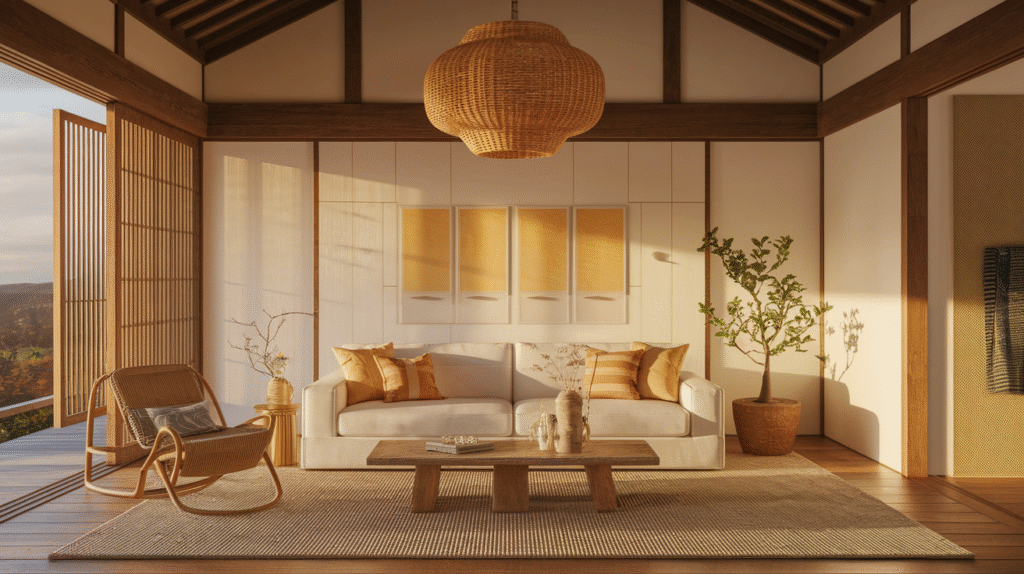
Starting Small: Affordable Entry Points for Artists
Creating a Japandi space doesn’t require a massive budget—it requires thoughtful choices and creative problem-solving. Start with DIY projects that capture the aesthetic without expensive purchases.
Simple floating shelves made from untreated pine boards deliver that clean Scandinavian look for under $30. Sand them smooth, apply a natural oil finish, and mount them with minimal brackets.
These shelves showcase your handmade ceramics, small plants, and carefully chosen books while keeping surfaces clear.
Furniture makeovers transform existing pieces into Japandi statements. That bulky dresser you’ve had for years?
Sand it down, apply a light oak stain or matte black paint, and replace the hardware with simple wooden or brass pulls. The transformation costs less than $50 and gives you a piece that looks intentionally curated.
Thrift stores and secondhand marketplaces are goldmines for Japandi furniture. Look for solid wood pieces with clean lines—ignore the current finish, which you can easily change.
Mid-century modern furniture, particularly from the 1960s and 70s, often aligns perfectly with Japandi aesthetics.
A vintage teak sideboard, a simple wooden chair, or a low-profile coffee table can anchor your entire room.
Natural elements you gather yourself add authentic beauty for free. Collect interesting branches during walks, arrange them in a simple vase for sculptural impact.
Smooth stones from the beach or river become meditation objects on your desk. Dried grasses and seed pods create seasonal displays that connect your space to the natural world.
Smart Investment Pieces Worth Saving For
While you can create a beautiful Japandi space on a tight budget, certain investment pieces deliver outsized value and deserve your savings.
Multi-functional furniture serves your creative practice while maximizing limited space. A low-profile platform bed with built-in storage eliminates the need for a separate dresser.
A wooden desk with clean lines works for both computer tasks and hands-on creative work.
A storage ottoman provides seating, a footrest, and hidden storage for supplies—three functions in one beautiful piece.
Quality natural textiles transform how your space feels and lasts for years. Linen curtains in natural cream or soft gray diffuse harsh light beautifully and develop a lovely lived-in texture over time.
A handwoven cotton throw in muted tones adds warmth without visual clutter. A jute or sisal area rug grounds your seating area while bringing organic texture underfoot.
These textiles cost more upfront than synthetic alternatives but maintain their beauty and actually improve with age.
Statement lighting changes everything. A paper pendant lamp with clean lines casts soft, diffused light that’s perfect for creative work.
A sculptural wooden floor lamp becomes a focal point while providing task lighting. Quality lighting fixtures you’ll use daily justify the investment—they affect your mood, productivity, and the entire atmosphere of your space.
The Art of Curating Without Overspending
The fastest way to achieve Japandi style costs nothing—shop your own home with fresh eyes. Walk through your space and identify items that already fit the aesthetic.
That simple wooden bowl, the neutral throw blanket, the potted plant you’ve ignored—these pieces can anchor your new design when grouped intentionally.
Implement the one-in-one-out rule to maintain your minimalist vibe. Before bringing anything new into your space, remove something else.
This practice prevents gradual accumulation and forces you to make deliberate choices about what truly belongs in your environment.
Seasonal rotation keeps your space fresh without constant purchases. Store some decorative elements and rotate them quarterly.
Spring might feature fresh branches with new leaves, summer brings dried grasses, fall introduces darker wood tones and warmer textiles, winter showcases evergreen branches and cozy layers.
This approach maintains visual interest while honoring the Japandi principle of living in harmony with seasons.
Designing Spaces That Fuel Your Creative Practice

Creating Your Artistic Sanctuary: The Studio Corner
Your creative workspace deserves special attention—this is where your art happens, where you need maximum focus and minimum distraction. Japandi principles create the perfect environment for sustained creative work.
Natural light is non-negotiable for artists, but harsh direct sunlight creates glare and eye strain.
Create shoji-inspired screens using wooden frames and translucent rice paper or linen fabric.
These screens diffuse bright light into soft, even illumination that’s perfect for detailed work. Position them to filter afternoon sun while maintaining your connection to the outdoors.
Organizing art supplies the Japandi way means beautiful, accessible storage. Replace plastic bins with woven baskets in various sizes.
Use simple wooden boxes with sliding lids for smaller items. Display frequently used tools in ceramic containers on your desk—brushes standing upright in a stoneware jar become a sculptural element.
This approach keeps supplies organized and visible while contributing to your room’s aesthetic rather than detracting from it.
Plants and natural elements maintain creative flow by providing living, changing elements in your space.
Position a larger potted plant near your workspace—fiddle leaf fig, monstera, or snake plant all work beautifully.
Add smaller succulents or air plants to your desk. These green companions improve air quality, provide natural visual breaks during long work sessions, and connect you to natural growth cycles.
Low seating options expand how you work. A floor cushion allows you to spread materials around you for collage or planning work.
A low wooden stool encourages better posture than conventional chairs. Many artists find that changing positions throughout the day maintains energy and offers fresh perspectives on their work.
Living Areas That Inspire and Restore
Your living space should support both active creativity and essential restoration. Negative space—empty areas without furniture or decoration—isn’t wasted space. It’s visual breathing room that combats creative block by giving your mind permission to rest.
Displaying your own artwork within Japandi aesthetics requires restraint. Choose one or two pieces that truly represent your current creative direction.
Frame them simply in natural wood or matte black. Give each piece substantial breathing room—don’t crowd walls with multiple frames competing for attention. This approach honors your work by presenting it as the focal point it deserves to be.
Create distinct zones for different creative activities without using walls or heavy furniture. A reading corner needs only a comfortable chair, small side table, and good light.
A sketching nook requires a low table or lap desk and floor cushions. These zones flow into each other while serving different functions—the Japandi approach to open-plan living that maintains purpose without barriers.
Furniture arrangement encourages both focus and relaxation. Position your sofa or primary seating to face a window or artwork rather than a television.
Create conversation areas with chairs angled toward each other. Use a low coffee table as a central gathering point.
This intentional arrangement supports the activities that matter to your creative life—contemplation, conversation, and connection.
Zen Bedroom Design for Creative Rejuvenation
Creative work demands quality rest, and your bedroom design directly impacts sleep quality and mental restoration.
Platform beds or low-profile bed frames create grounding energy that promotes relaxation. These beds sit closer to the floor, following Japanese design principles that emphasize connection to earth and stability.
Textile layering using natural fabrics transforms your bed into a sensory experience. Start with linen sheets in natural colors—they breathe beautifully and regulate temperature. Add a lightweight cotton blanket for warmth.
Top with a quilted coverlet or duvet in muted tones. This layering provides flexibility for different seasons while creating visual depth through subtle texture variations.
Minimalist nightstand styling keeps your sleep space calm. Choose a simple wooden nightstand or low stool.
Limit the surface to essentials—a small lamp with warm light, perhaps a handmade ceramic dish for jewelry, and one meaningful object like a smooth stone or small plant. Remove phones, tablets, and work materials that interfere with rest.
Creating a technology-free bedroom zone restores creative energy more effectively than any other single change.
Charge devices in another room. Use a simple analog alarm clock. If you must keep a phone nearby for emergencies, place it face-down in a drawer.
This boundary protects your sleep and gives your creative mind genuine downtime to process and integrate experiences.
Artistic Details and Expressive Touches in Japandi Design
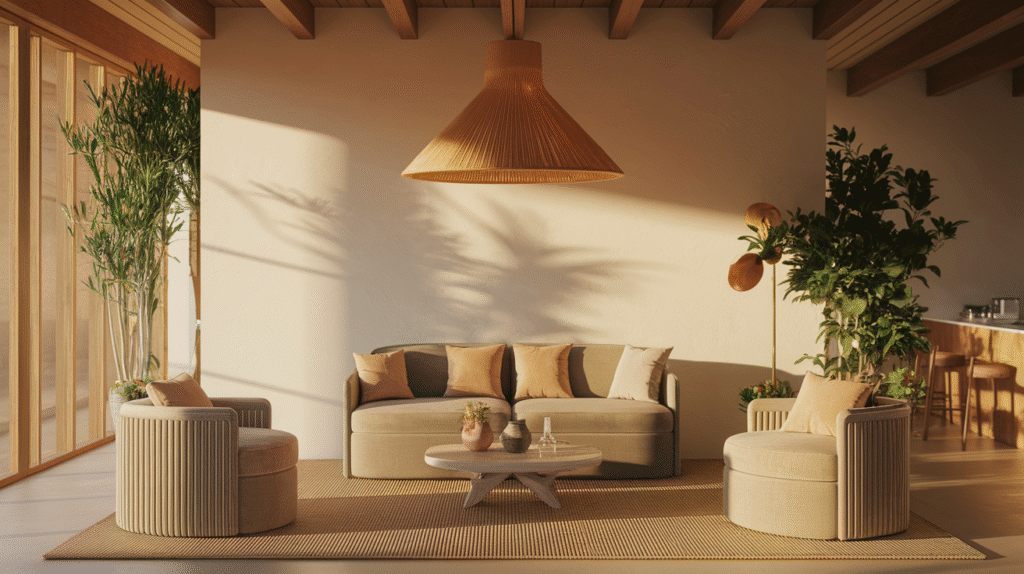
Selecting Captivating Decor Elements
Japandi decor celebrates handcrafted items with character and story. Ikebana-inspired floral arrangements follow Japanese principles of simplicity and sculptural beauty.
Rather than stuffing vases with flowers, choose one or three stems arranged with intention.
Position them to emphasize natural lines and negative space. Use branches, dried grasses, or a single bloom—the arrangement should feel effortless yet considered.
Handcrafted ceramics serve as functional art throughout your space. A rough-textured stoneware bowl holds fruit on your counter.
Smooth ceramic cups make your morning coffee ritual more intentional. An irregular vase with visible throwing marks displays your ikebana arrangement.
These pieces embody wabi-sabi—they’re beautiful precisely because they show the maker’s hand and celebrate slight imperfections.
Woven baskets and natural fiber storage solve practical needs while adding essential texture.
A large jute basket holds extra blankets. Medium-sized seagrass baskets organize magazines or art supplies.
Small woven containers corral desk items. The varied textures of these natural fibers create visual interest without color or pattern.
Vintage Japanese and Scandinavian finds bring authentic character to your space. Hunt for wooden tansu chests, simple ceramic sake sets, vintage Finnish glassware, or mid-century teak serving pieces.
These items carry history and craftsmanship that new mass-produced alternatives can’t replicate. They’re conversation pieces that anchor your space in design traditions you’re honoring.
Wall Art and Visual Expression
Displaying artwork in Japandi spaces requires a light touch. The minimalist aesthetic doesn’t mean bare walls—it means intentional choices with generous breathing room. Select pieces that genuinely move you rather than filling space.
Abstract works in muted tones, black ink drawings, nature photography, or simple line art all work beautifully.
Creating a gallery wall with intention means careful planning. Use fewer pieces with more space between them than traditional gallery walls. Maintain consistent framing—natural wood or matte black frames create cohesion.
Arrange pieces in simple grids or asymmetrical groupings with clear visual logic. The wall should feel curated, not crowded.
Incorporate calligraphy, line drawings, and abstract pieces that complement the Japandi aesthetic.
Japanese calligraphy brings authentic cultural elements. Simple line drawings of faces, bodies, or natural forms add human warmth. Abstract works in earth tones provide color without overwhelming the space.
DIY art projects let you create custom pieces that perfectly fit your vision. Try ink paintings using black sumi ink on rice paper—the flowing, spontaneous marks embody wabi-sabi principles.
Create nature prints by pressing leaves or flowers into clay or ink. Frame pressed botanical specimens between glass. These handmade pieces add personal meaning while maintaining the aesthetic.
Lighting as an Artistic Medium
Lighting transforms Japandi spaces from merely attractive to truly atmospheric. Paper lanterns and rice paper fixtures create the soft, diffused light that’s essential to this aesthetic.
The translucent materials scatter light gently, eliminating harsh shadows and creating even illumination that’s comfortable for extended creative work.
Strategic layering of ambient, task, and accent lighting gives you control over mood and function. Ambient lighting—overhead fixtures or wall sconces—provides general illumination.
Task lighting—desk lamps or reading lights—supports specific activities. Accent lighting—small spotlights or candles—highlights artwork or architectural features. Dimmer switches let you adjust levels throughout the day.
Candles and natural materials create warm, creative atmosphere during evening hours. Group pillar candles of varying heights on a wooden tray.
Use simple ceramic or concrete candle holders. Choose unscented or subtly scented candles to avoid overwhelming your space.
The flickering light and gentle warmth of candles signal your brain to shift from active work mode to contemplative evening mode.
Lighting directly affects creative mood and productivity. Bright, cool light energizes and supports detailed work during morning and midday hours.
Warm, dimmer light encourages relaxation and contemplative creativity in evenings. By adjusting lighting throughout the day, you work with your natural rhythms rather than fighting them.
Textural Layers That Add Depth
Mixing wood tones creates depth while maintaining cohesion. Combine light Scandinavian pine with darker Japanese-inspired walnut or ebony finishes.
The contrast adds visual interest while the shared material creates harmony. A light oak dining table with dark walnut chairs, a pale wood floor with darker furniture—these combinations feel intentional rather than mismatched.
Combining smooth and rough textures prevents visual monotony. Pair a smooth ceramic vase with a rough jute rug.
Place a sleek wooden bowl on a textured linen table runner. Position a polished stone object next to a roughly woven basket. These textural contrasts engage your senses and create sophisticated visual depth.
Natural fiber elements throughout your space reinforce the connection to organic materials. Jute or sisal rugs ground seating areas.
Linen curtains filter light beautifully. Cotton throws add warmth without bulk. Wool cushions provide comfort. These materials age gracefully, developing character rather than looking worn.
Embrace handmade and slightly imperfect elements—they embody the wabi-sabi heart of Japandi design.
The ceramic bowl with an irregular rim, the wooden shelf with visible grain variations, the hand-woven basket with slight asymmetry—these “imperfections” prove human hands created these objects with care. They remind us that beauty doesn’t require machine precision.
Bringing Your Japandi Zen Vision to Life
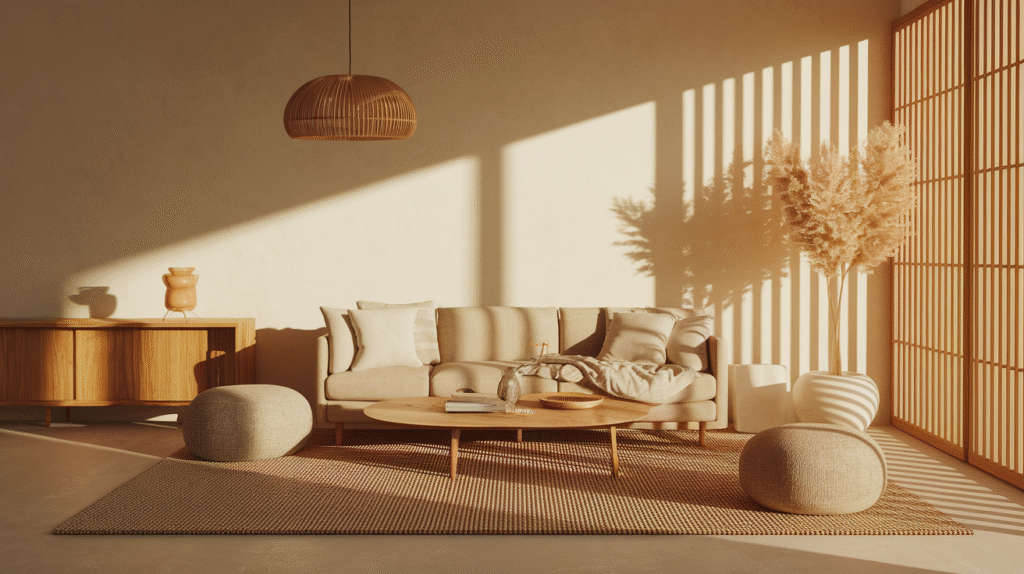
You now understand the complete framework for creating a Japandi Zen interior that supports your creative practice.
This design philosophy offers something rare—a beautiful aesthetic that’s actually functional, calming, and achievable on a realistic budget.
The key principles bear repeating because they guide every decision: embrace simplicity without sterility, choose natural materials that age beautifully, ensure every item serves a purpose or brings genuine joy, and curate your space with mindful intention.
These aren’t restrictive rules—they’re liberating guidelines that simplify decision-making and prevent the gradual accumulation that clutters both space and mind.
Creating your Japandi space is an artistic process in itself. You’re not following a rigid template or copying someone else’s aesthetic.
You’re applying timeless principles to your unique situation, expressing your creative vision through environmental design.
This approach grows and evolves with your artistic practice. As you change, your space adapts to reflect and support that growth.
The transformative power of a well-designed space on artistic confidence and output is profound. When your environment feels calm, intentional, and beautiful, you approach your creative work differently.
The mental energy you previously spent managing clutter and visual chaos becomes available for actual creativity.
The beauty surrounding you reminds you that aesthetics matter, that craft matters, that attention to detail matters—lessons that transfer directly to your artistic practice.
Your Action Steps to Get Started Today
Don’t wait for the perfect moment or unlimited budget to begin. Start small and build momentum through these concrete steps.
Choose one room or corner to begin your Japandi transformation. Your bedroom, your creative workspace, or even just your desk area—pick a manageable scope that you can complete within a week. This focused approach delivers visible results that motivate continued progress.
Declutter with intention, keeping only what serves or inspires you. Remove items that don’t fit the aesthetic or serve your current needs.
Be honest about what you actually use versus what you think you should keep. Donate quality items you’re not using—they deserve to be appreciated rather than stored.
Invest in or create one natural element to anchor your space. Buy a substantial plant, craft a simple wooden shelf, or arrange branches in a beautiful vase.
This single element establishes your new aesthetic and provides a focal point around which everything else can organize.
Trust your artistic instincts—your unique vision makes your space a masterpiece. You understand composition, color, and balance through your creative practice. Apply those same skills to your environment.
If something feels right, it probably is. If something feels off, adjust it. Your space should reflect your sensibility, not someone else’s rules.
Your creative space should be a reflection of your artistic soul—calm, intentional, and uniquely yours.
Embrace the journey of creating beauty in your environment as practice for your art. The same attention, care, and vision you bring to your creative work deserves to shape the space where that work happens.
Remember: the most captivating Japandi spaces are those infused with personal creative expression.
This isn’t about achieving magazine-perfect rooms that look untouched. It’s about creating living, breathing environments that support your real life and genuine creative practice.
Your handmade ceramics on that simple wooden shelf, your artwork on that carefully considered wall, your collection of natural objects that speak to you—these personal touches transform Japandi principles into your personal sanctuary.
Start today. Choose your corner. Remove what doesn’t serve you. Add one beautiful natural element. Your creative space—and your creative practice—will thank you.