Let’s be honest—keeping up with design trends while managing a realistic budget feels overwhelming.
You scroll through perfectly styled bedrooms on Pinterest, wondering how anyone affords those transformations.
Meanwhile, your bedroom sits there, stuck somewhere between “fine” and “forgettable,” desperately needing a refresh but not a complete overhaul.
Here’s the truth: 2026’s biggest bedroom trends aren’t about expensive renovations or designer price tags.
They’re about strategic choices that deliver maximum impact without draining your savings account.
Whether you’re renting a studio apartment or own a sprawling home, these trends work for real spaces and real budgets.
This year, bedroom design celebrates personality over perfection. We’re moving past the stark, cold minimalism that dominated the last few years and embracing warmth, character, and spaces that actually feel like you.
The trends I’m sharing work beautifully in small bedrooms, require zero landlord approval, and many cost less than your monthly streaming subscriptions combined.
Ready to create a bedroom that makes you excited to wake up every morning? Let’s dive into the seven trends that are completely transforming how we think about bedroom design in 2026.
Embrace Organic Modernism: Nature Meets Contemporary Design

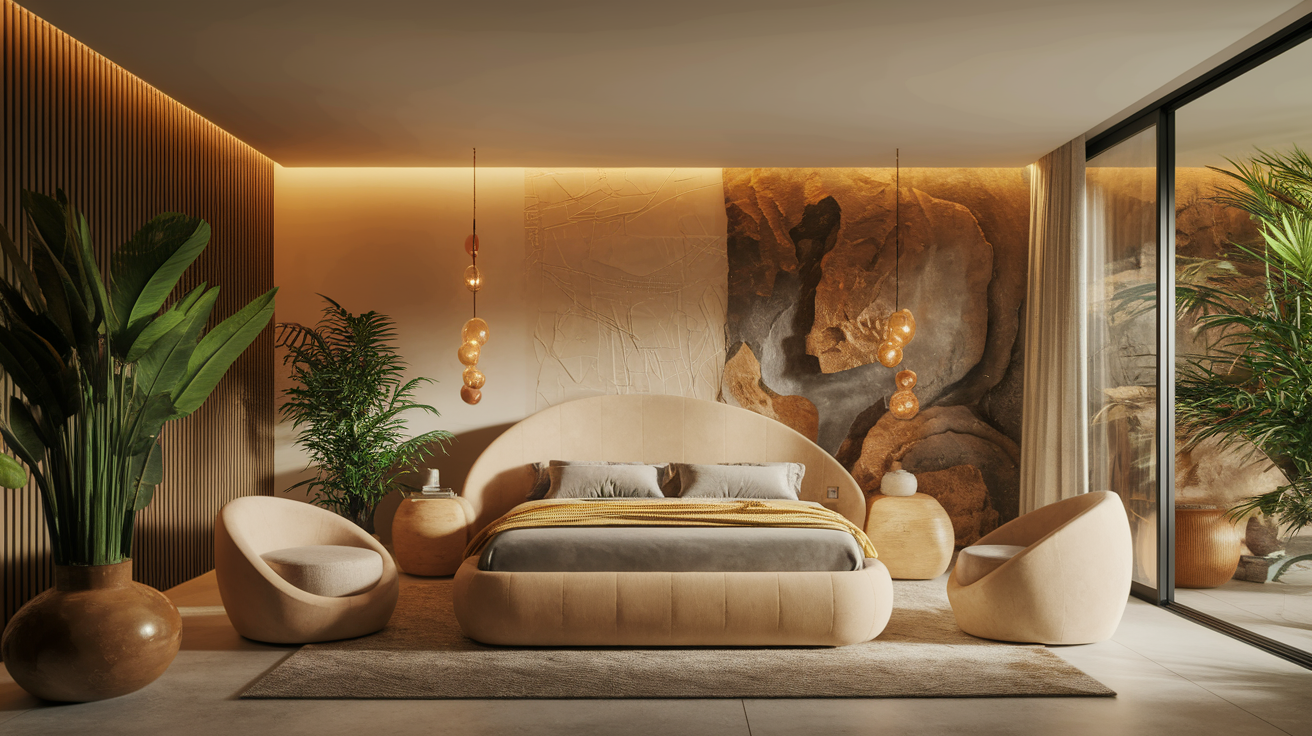
The sterile, all-white bedroom is officially over. 2026 belongs to organic modernism—a design philosophy that brings the calming essence of nature indoors while maintaining clean, contemporary lines. This isn’t your grandmother’s country cottage aesthetic. It’s sophisticated, grounded, and creates the ultimate sanctuary for rest.
The Rise of Biophilic Bedrooms

Biophilic design sounds fancy, but it simply means incorporating natural elements that connect us to the outdoors. Research shows that exposure to natural materials and plants reduces stress hormones and improves sleep quality—exactly what your bedroom should deliver.
Start with natural materials that add instant warmth. Swap synthetic bedding for linen sheets that get softer with every wash. Add a rattan headboard or woven pendant light. Incorporate raw wood through floating shelves or a reclaimed wood accent piece. These materials bring texture and visual interest without requiring bold color commitments.
Live plants transform bedroom energy immediately. If you’re convinced you’ll kill anything green, start with nearly indestructible options: pothos, snake plants, or ZZ plants thrive on neglect and low light.
Place a large potted plant in an empty corner, cluster small succulents on your nightstand, or hang trailing plants near windows. Each plant improves air quality while creating that coveted spa-like atmosphere.
For renters or those without plant confidence, botanical prints and peel-and-stick wallpaper featuring oversized leaves deliver the same visual impact.
A single large-scale botanical print above your bed creates a stunning focal point for under $40. Removable wallpaper with palm fronds or eucalyptus branches on one accent wall brings nature indoors without damaging walls or losing your security deposit.
Earthy Color Palettes That Soothe

The color story for 2026 bedrooms pulls directly from nature. Forget stark whites and cool grays—this year embraces terracotta, sage green, warm clay, sandy beige, and soft mushroom tones. These colors create cozy, enveloping spaces that promote genuine relaxation.
The beauty of earthy palettes? They’re incredibly forgiving and easy to layer. Start with a neutral base (warm beige or soft cream walls) and build depth through textiles and accessories. A terracotta throw blanket, sage green pillows, and clay-colored curtains create a cohesive look without overwhelming small spaces.
If you can’t paint, embrace removable wallpaper in earthy tones for one accent wall, or simply layer colors through bedding, rugs, and artwork. A warm-toned area rug grounds the entire space and defines your sleeping zone—especially important in studio apartments where bedroom and living areas blend together.
The secret to making earthy colors work in compact bedrooms: stick to two or three main colors and vary the shades. Sage green bedding, olive green pillows, and a darker forest green throw create beautiful depth within a single color family. This approach feels intentional and sophisticated rather than chaotic.
Textural Layering for Depth

Organic modernism thrives on texture. Mixing materials creates visual richness that makes your bedroom feel expensive and carefully curated—even when everything came from budget retailers.
Layer different textiles on your bed: crisp linen sheets, a chunky knit throw, velvet pillows, and a lightweight cotton duvet.
Each material catches light differently, creating dimension and interest. The same principle applies throughout the room.
Pair smooth wood surfaces with rough woven baskets. Place a jute rug under a plush sheepskin throw. Hang sheer linen curtains alongside heavier textured panels.
Thrift stores are goldmines for textural pieces. Look for vintage woven baskets (perfect for storing extra blankets or magazines), ceramic vases with interesting glazes, and natural fiber rugs.
Target, HomeGoods, and H&M Home offer affordable options for layering textures—think cable knit throw blankets for $25 or linen pillow covers for $12.
The key to successful textural layering: vary the scale. Mix large-scale textures (a chunky knit blanket) with medium (linen bedding) and small (woven baskets). This creates visual interest without overwhelming your space or making it feel cluttered.
Curved Furniture & Soft Edges: The Comfort Revolution

Sharp corners and rigid lines are stepping aside for 2026’s most transformative trend: curves.
Rounded furniture and soft edges create bedrooms that feel welcoming, spacious, and psychologically comforting.
This shift represents our collective desire for spaces that embrace us rather than challenge us.
Why Curves Are Taking Over

The science behind this trend is compelling. Research in environmental psychology shows that curved shapes trigger positive emotional responses and feelings of safety, while angular shapes can subconsciously create tension.
After years of harsh minimalism with sharp-edged furniture, we’re craving softness in our most intimate spaces.
Curved furniture also performs a visual trick in small bedrooms. Rounded pieces allow better traffic flow and make rooms feel more spacious because there are no hard corners interrupting sight lines. An arched mirror or curved headboard draws the eye upward, creating the illusion of height and space—essential in compact bedrooms with low ceilings.
This trend doesn’t mean replacing every angular piece you own. Strategic curved accents mixed with existing furniture create the perfect balance between soft and structured, feminine and modern.
Affordable Ways to Add Curves

The fastest, most budget-friendly way to embrace this trend? An arched mirror. These statement pieces instantly elevate any bedroom and create a focal point that feels current and sophisticated. You’ll find gorgeous options at Target, West Elm, and even Amazon for under $50. Lean a large arched mirror against the wall behind your dresser or hang it above a console table for immediate impact.
Rounded nightstands replace traditional rectangular versions beautifully. Look for drum-style side tables, curved-front vintage dressers, or even cylindrical stools that double as bedside surfaces. These pieces soften the bedroom’s overall aesthetic while providing the same functionality. Bonus: rounded nightstands work better in tight spaces because you won’t bruise your hip on sharp corners in the middle of the night.
Poufs and ottomans with curved silhouettes serve multiple purposes. Use them as extra seating, footrests, or even makeshift nightstands. Velvet poufs in rich jewel tones add both curves and luxe texture for around $60. Place one at the foot of your bed or in a corner reading nook.
For the ultimate curved statement, consider a DIY upholstered headboard with a rounded top. Cut plywood into an arch shape, add foam padding and fabric, then mount it to the wall. This weekend project costs under $100 and creates a custom look that would cost thousands from a furniture store. Tutorial videos walk you through every step, making it achievable even for DIY beginners.
Balancing Curves with Existing Furniture

You don’t need to purge your entire bedroom to embrace this trend. The goal is harmonious balance, not complete transformation. If you have a rectangular bed frame, add curved elements through mirrors, lighting, and accessories. If your dresser features straight lines, soften the look with a rounded mirror above it and a curved table lamp on top.
Create visual flow by distributing curved elements throughout the room rather than clustering them in one area. An arched mirror on one wall, a rounded pouf near the window, and a curved pendant light overhead create cohesion without overwhelming the space.
The 70/30 rule works perfectly here: keep 70% of your furniture with traditional lines and introduce curves through 30% of pieces and accessories. This ratio feels fresh and current without looking like you tried too hard or followed trends too literally.
III. Maximalist Accent Walls: Bold Expression Without Commitment
Boring beige is dead. 2026 celebrates personality, and your bedroom should reflect your style—not some designer’s idea of “safe” neutrals. Maximalist accent walls let you make bold statements without overwhelming your entire space or committing to dramatic changes you might regret.
The Death of Boring Beige
After years of all-white, minimalist bedrooms that looked straight from a catalog (but felt cold and impersonal), we’re reclaiming self-expression in our most private spaces. Your bedroom should energize you, inspire you, and showcase what you love—not blend into anonymous obscurity.
The accent wall approach delivers maximum drama with minimal risk. One statement wall transforms the entire room’s personality while keeping the other three walls neutral. This creates a focal point that draws the eye and grounds your design scheme. For renters especially, this strategy is genius: you can go bold without painting every wall or risking your security deposit.
The psychological impact matters too. A well-designed accent wall creates depth and dimension in small bedrooms, making them feel larger rather than cramped. It gives your eye somewhere to rest and creates visual hierarchy—essential in spaces where everything competes for attention.
Trending Accent Wall Ideas
Peel-and-stick wallpaper revolutionized renter-friendly decorating, and 2026’s options are stunning. Oversized florals in moody colors create romantic, cocooning vibes. Geometric patterns in bold colorways add contemporary edge. Abstract designs in earthy tones tie into the organic modernism trend beautifully. Apply removable wallpaper to the wall behind your bed for instant transformation—no contractor required. Brands like Tempaper, Spoonflower, and Chasing Paper offer hundreds of designs starting around $30 per roll.
Gallery walls evolved beyond simple photo frames. Create impact with oversized art pieces (24×36 inches or larger) mixed with personal photographs, meaningful quotes, and three-dimensional objects like woven baskets or small shelves. The key to modern gallery walls: intentional asymmetry and varied frame styles. This curated-but-collected look feels personal rather than matchy-matchy.
Fabric wall hangings and tapestries add texture, color, and sound absorption (crucial in bedrooms). Large-scale woven pieces, macramé hangings, or even vintage quilts mounted on the wall create stunning focal points. These work especially well above beds, adding softness that complements your bedding. Urban Outfitters, Society6, and Etsy offer thousands of options at every price point.
For the ultimate budget-friendly option, washi tape creates geometric designs, accent stripes, or even faux headboards. This Japanese masking tape comes in countless colors and patterns, removes cleanly from walls, and costs just a few dollars per roll. Create a modern mountain mural, an abstract geometric pattern, or simple horizontal stripes for under $20 total. YouTube tutorials show exactly how to achieve professional-looking results.
Making Bold Choices Work in Small Spaces
Bold doesn’t mean overwhelming—when done strategically. The focal wall principle guides smart accent wall placement: choose the wall you see first when entering the room, typically the wall behind your bed. This draws attention exactly where you want it while other walls recede visually.
Color psychology matters in bedrooms since this space should promote rest. Deep blues and greens create calming, cocooning effects. Warm terracotta and rust tones feel grounding and secure. Even bold patterns work if the underlying color palette skews toward these restful hues. Avoid bright reds, intense oranges, or neon colors that stimulate rather than soothe.
In compact rooms, prevent overwhelming the space by keeping furniture and other decor relatively simple. Let your accent wall be the star. Choose bedding in solid colors that complement (rather than compete with) your statement wall. Keep nightstands and other furniture streamlined. This approach creates drama without chaos.
Ambient Lighting Layers: Create Instant Mood & Atmosphere
Harsh overhead lighting kills bedroom ambiance faster than anything else. The single-source ceiling fixture that came with your apartment? It’s sabotaging your sleep sanctuary. 2026’s lighting approach layers multiple sources to create customizable atmospheres that shift from energizing mornings to relaxing evenings.
Beyond the Overhead Light
Single-source lighting creates flat, uninviting spaces that feel more like interrogation rooms than restful retreats. It casts harsh shadows, eliminates dimension, and offers zero flexibility. You can’t dim it for movie nights, brighten it for getting ready, or create cozy reading nooks.
Professional designers use the three-layer approach: ambient (overall illumination), task (focused light for specific activities), and accent (decorative lighting that highlights features). This sounds complicated, but it simply means combining different light sources at various heights throughout your room.
The transformation is immediate and dramatic. Layered lighting creates depth, eliminates harsh shadows, and lets you control your bedroom’s mood with the flip of a switch. Better yet, every solution I’m sharing requires zero electrical work—perfect for renters who can’t install new fixtures.
Budget-Friendly Lighting Upgrades
String lights graduated from college dorm rooms to chic bedroom staples. The key is how you use them. Drape warm-toned LED strings along a headboard, weave them through a canopy frame, or line them across floating shelves. Choose bulbs with warm color temperatures (2700K-3000K) for flattering, cozy light. Skip the multicolored party lights—stick with warm white or amber for sophisticated ambiance.
LED strip lights transform bedrooms when placed strategically. Install them under your bed frame for a floating effect, behind your headboard for a subtle glow, or along the top of your closet for ambient uplighting. Most strips include adhesive backing and plug directly into outlets. Remote controls let you adjust brightness and color temperature. These cost $20-40 and create five-star hotel vibes instantly.
Table and floor lamps serve double duty as functional lighting and sculptural decor. In 2026, lamps are statement pieces. Look for interesting shapes, natural materials, and unique silhouettes. A curved ceramic table lamp or a woven rattan floor lamp adds personality while providing essential task lighting. Place lamps at different heights—one on your nightstand, another on a dresser, perhaps a floor lamp in a corner—to create visual interest and eliminate dark spots.
Smart bulbs revolutionize bedroom lighting for under $30. Screw them into existing lamps and control brightness, color temperature, and even colors from your phone. Wake up to gradually brightening warm light that mimics sunrise. Wind down with dimmed, amber-toned light that promotes melatonin production. Create reading light at full brightness when needed. Smart bulbs like Philips Hue or Wyze work with existing fixtures—no electrician required.
Candles and flameless alternatives add instant coziness. Real candles create ambiance but require supervision. Flameless LED candles with timers offer the same flickering glow without fire risk. Cluster several on a dresser, place them on floating shelves, or group them on a decorative tray for romantic, spa-like atmosphere.
Statement Lighting as Art
Lighting fixtures evolved into sculptural art pieces that define your bedroom’s style. Cloud lamps—soft, billowy fixtures that mimic actual clouds—create dreamy, ethereal vibes perfect for bedrooms. Paper lanterns in oversized proportions add organic shapes and soft, diffused light. Woven pendant lights in rattan or bamboo tie into the organic modernism trend beautifully.
Plug-in pendant lights changed the game for renters. These fixtures look like hardwired pendants but simply plug into wall outlets. Hang them on either side of your bed as elevated alternatives to table lamps, or suspend one over a reading chair. Install a ceiling hook (which leaves only a tiny hole to patch when moving), thread the cord through, and plug it in. This creates custom lighting placement without electrical work.
Where should you splurge versus save? Invest in one statement fixture that draws the eye—perhaps a stunning pendant over your bed or a sculptural floor lamp. Save on task lighting like nightstand lamps where function matters more than form. Thrift stores often carry vintage lamps with character that just need new shades or fresh paint. A $10 thrifted lamp plus a $20 modern shade creates a custom look for a fraction of retail prices.
Multifunctional Furniture: Smart Solutions for Real Life
Small space living is the reality for most of us, whether by choice or necessity. 2026’s approach to bedroom furniture prioritizes pieces that work as hard as you do—without sacrificing style. The days of choosing between beautiful and functional are over.
The 2026 Approach to Small Space Living
Multifunctional furniture isn’t about cramming your bedroom with fold-out gadgets that look like they belong in an RV. Modern designs integrate storage and versatility so seamlessly that you’d never guess they’re working double duty. These pieces maintain clean lines and contemporary aesthetics while solving real-world problems like limited closet space and nonexistent storage.
This trend reflects how we actually live. Bedrooms aren’t just for sleeping anymore—they’re home offices, workout spaces, reading nooks, and meditation corners. Furniture that adapts to multiple needs makes small spaces livable without feeling cramped or chaotic.
The smartest approach: invest in a few key multifunctional pieces rather than filling your room with single-purpose furniture. Quality matters here because these workhorses will see daily use. One well-designed storage bed delivers more value than three cheap pieces that serve only one function each.
Essential Multifunctional Pieces
Storage beds revolutionize small bedrooms by utilizing the massive amount of wasted space under your mattress. Platform beds with built-in drawers provide organized storage for off-season clothes, extra bedding, or anything you don’t need daily access to. Lift-up storage beds (where the entire mattress platform raises to reveal storage underneath) offer even more capacity—perfect for storing luggage, holiday decorations, or bulky items. These beds cost more upfront but eliminate the need for separate dressers or storage units, actually saving money long-term.
Storage ottomans and benches placed at the foot of your bed serve triple duty: seating when getting dressed, surfaces for stacking decorative pillows at night, and hidden storage for extra blankets or seasonal items. Look for upholstered options that complement your bedding—they add softness and style while solving storage challenges.
Floating nightstands free up valuable floor space in tight bedrooms. Wall-mounted options with small drawers provide essential bedside storage without bulky furniture crowding your room. Some designs include built-in charging stations—genius for keeping phones and devices powered without tangled cords. These work especially well in narrow bedrooms where traditional nightstands block pathways.
Folding desks acknowledge the work-from-home reality without permanently dedicating bedroom space to office furniture. Wall-mounted drop-leaf desks fold flat when not in use, disappearing completely. Compact secretary desks close up to hide work clutter at day’s end—essential for mental separation between work and rest. Position a folding desk near a window for natural light during work hours, then fold it away to reclaim your bedroom sanctuary.
Benches with storage combine seating, organization, and style. Place one under a window as a reading nook with storage for books underneath. Use it at the foot of your bed for putting on shoes while storing extra pillows inside. Upholstered storage benches in velvet or linen look intentional and luxurious—not like desperate storage solutions.
Organizing with Style
Multifunctional furniture works best when paired with stylish organizational systems. Decorative baskets in natural materials (seagrass, rattan, woven cotton) corral clutter while doubling as textural decor elements. Stack them on shelves, slide them under floating nightstands, or cluster them in corners. Label them discreetly for easy identification without ruining the aesthetic.
Open shelving styled thoughtfully becomes both storage and display. The key is the 80/20 rule: 80% functional items (folded clothes, books, storage boxes) and 20% decorative objects (plants, artwork, meaningful trinkets). This ratio keeps shelves from looking cluttered while adding personality. Alternate stack heights and directions—some books horizontal, others vertical—for visual interest.
Under-bed storage solutions maximize hidden space without visible clutter. Rolling storage bins slide out easily for access but stay hidden from view. Vacuum-sealed bags compress bulky items like winter coats or extra comforters. Shallow boxes store shoes neatly. The trick: choose containers that fit your bed’s height precisely so they’re completely concealed. Measure before buying to avoid storage that peeks out awkwardly.
Vintage Revival: Character-Filled Secondhand Treasures
Mass-produced furniture all looks the same—and our bedrooms are suffering from sameness fatigue. 2026’s vintage revival celebrates unique, character-filled pieces with history and soul. This trend is simultaneously the most sustainable and most budget-friendly way to create a bedroom that feels distinctly yours.
Why Vintage Is the Most Sustainable Trend
Buying secondhand furniture keeps perfectly good pieces out of landfills while avoiding the environmental costs of new manufacturing. Fast furniture (like fast fashion) creates massive waste—cheap pieces that break quickly and can’t be repaired. Vintage furniture was built to last, often featuring solid wood construction and quality craftsmanship you can’t find at contemporary price points.
Budget-wise, vintage delivers incredible value. A solid wood mid-century dresser from Facebook Marketplace costs $100-200—the same price as a particleboard version from big box stores that will fall apart in three years. The vintage piece will last decades and actually increases in value. You’re not just saving money; you’re making a smart investment.
The aesthetic benefit matters just as much. Vintage pieces add instant character and personality that new furniture simply can’t replicate. That perfectly imperfect patina, the unique hardware, the craftsmanship details—these elements create bedrooms with soul and story. When friends visit, they’ll remember your space because it feels curated and personal, not like a catalog page.
Where to Find Affordable Vintage Gems
Thrift stores like Goodwill, Salvation Army, and local consignment shops offer constantly rotating inventory at rock-bottom prices. Visit regularly (inventory changes weekly) and go with an open mind. That dated oak dresser might be perfect with new hardware and a coat of paint. Look past superficial issues like old finishes or outdated hardware—these are easy fixes that transform pieces completely.
Estate sales are goldmines for quality vintage furniture. Arrive early on the first day for best selection, or wait until the final hours when sellers slash prices dramatically to avoid hauling items away. Bring measurements, cash, and a vehicle that fits larger pieces. Estate sales often feature complete bedroom sets, vintage mirrors, artwork, and lighting from specific eras—perfect for creating cohesive vintage looks.
Facebook Marketplace revolutionized secondhand furniture shopping. Search terms like “mid-century dresser,” “vintage nightstand,” or “antique mirror” in your area. Set up alerts for specific items you’re hunting. Message sellers quickly—good pieces get snatched up within hours. Negotiate respectfully (most sellers expect some back-and-forth on price). Always inspect items in person before buying and bring a friend when picking up from strangers’ homes.
What should you look for? Dressers and nightstands in solid wood (not particleboard or veneer) are worth refinishing. Mirrors with interesting frames add instant character—the glass can be replaced if damaged, but unique frames are irreplaceable. Vintage artwork and prints cost pennies compared to new pieces. Table lamps and floor lamps with good bones need only new shades to look current. Avoid upholstered items unless you’re prepared to reupholster (hidden damage and odors are common issues).
Mixing Vintage with Modern
The secret to successful vintage integration: the 80/20 rule. Keep 80% of your bedroom relatively modern and neutral, then add 20% vintage pieces as statement elements. This ratio prevents your space from looking like a grandparent’s attic while adding character and warmth.
Alternatively, flip the ratio—80% vintage with 20% modern accents. This works beautifully for committed vintage lovers who want cohesive period looks. Add contemporary bedding, modern lighting, or current artwork to keep vintage-heavy rooms feeling fresh rather than dated.
Create cohesion through unifying elements. If your vintage pieces span different eras and styles, unite them through a consistent color palette. Paint mismatched wood furniture the same color for instant cohesion. Use similar hardware across all pieces. Alternatively, embrace eclecticism but maintain one consistent element—perhaps all wood tones are warm, or all metal finishes are brass.
The key to mixing eras successfully: distribute vintage pieces throughout the room rather than clustering them. A vintage dresser on one wall, a mid-century lamp on your nightstand, and an antique mirror above a modern desk creates intentional balance. Clustering all vintage pieces in one area makes them look like afterthoughts rather than deliberate choices.
Easy Vintage-Inspired DIY Projects
Transform new furniture to look vintage through antiquing techniques. Sand edges and high-wear areas to reveal wood underneath paint, creating authentic-looking patina. Apply dark wax over light paint for aged dimension. Distress painted surfaces with sandpaper for worn, loved character. These techniques make brand-new pieces look like treasured hand-me-downs.
Create “found object” wall decor using vintage items in unexpected ways. Frame antique handkerchiefs or vintage scarves as art. Mount old wooden rulers or yardsticks in geometric patterns. Display vintage postcards in modern frames. Hang antique plates on the wall using plate hangers. These projects cost almost nothing but add massive personality.
Reupholstering vintage chairs sounds intimidating but is surprisingly straightforward. YouTube tutorials walk you through every step. You’ll need fabric (2-3 yards for most chairs), a staple gun, scissors, and an afternoon. Reupholstering a $20 thrifted chair with $40 worth of gorgeous fabric creates a custom piece that would cost $400+ new. Choose modern fabrics in current colors to make vintage frames feel fresh and intentional.
Bringing It All Together: Your Personalized Bedroom Transformation Plan
You’ve just explored seven major trends reshaping bedroom design in 2026: organic modernism that brings nature indoors, curved furniture creating psychological comfort, maximalist accent walls expressing personality, layered lighting setting perfect moods, multifunctional furniture solving real-life challenges, and vintage pieces adding irreplaceable character. Each trend delivers transformation without requiring complete overhauls or designer budgets.
Here’s what matters most: you don’t need to implement every trend to create a stunning bedroom. Trying to incorporate everything at once leads to confused, chaotic spaces that lack cohesion. Instead, choose the one or two trends that resonate most deeply with your personal style and current bedroom challenges.
Live in a small space? Prioritize multifunctional furniture and layered lighting to maximize every inch while creating ambiance. Craving more personality? Focus on a maximalist accent wall and vintage pieces that tell your story. Want a calming sanctuary? Embrace organic modernism’s natural materials and earthy colors. Let your specific needs and aesthetic preferences guide your choices.
Start small and build gradually. Transformation doesn’t happen overnight, and that’s actually good news for your budget. Begin with one impactful change—perhaps an arched mirror, peel-and-stick wallpaper on one wall, or a vintage dresser from Facebook Marketplace. Live with that change for a few weeks. Notice how it shifts your room’s energy. Then add your next element.
This gradual approach serves multiple purposes. It prevents expensive mistakes (you’ll know what works before committing to larger purchases). It keeps projects manageable rather than overwhelming. And it lets you spread costs across months instead of draining your savings in one shopping spree.
Remember that these trends work for any living situation. Renters benefit from removable wallpaper, plug-in lighting, and furniture-based changes that require zero landlord approval. Homeowners can go bolder with paint colors and permanent fixtures. Small bedrooms shine with space-saving multifunctional pieces and strategic lighting. Large rooms embrace statement furniture and expansive accent walls. Budget-conscious decorators thrive with thrifted vintage finds and DIY projects. Every trend I’ve shared includes options for every situation.
The most successful bedroom transformations reflect the person living in them. Your bedroom should energize you in the morning and soothe you at night. It should showcase what you love, accommodate how you actually live, and feel like your personal sanctuary—not a showroom display. Use these trends as inspiration and guidance, not rigid rules. Mix elements from different trends. Skip trends that don’t speak to you. Add personal touches that no design article could predict.
Your dream bedroom is completely achievable right now, exactly where you are. You don’t need a bigger space, a larger budget, or permission from anyone. You need one beautiful change that makes you smile every time you walk into your room. That’s where transformation begins.
Which trend will you try first? Will you hunt for a vintage dresser this weekend? Order that peel-and-stick wallpaper you’ve been eyeing? Rearrange your lighting to create layered ambiance? Pick one element that excites you most and take action today. Your stunning bedroom transformation starts with that single step.
Welcome to 2026’s most inspiring bedroom trends—designed for real people, real spaces, and real budgets. Your sanctuary awaits.