
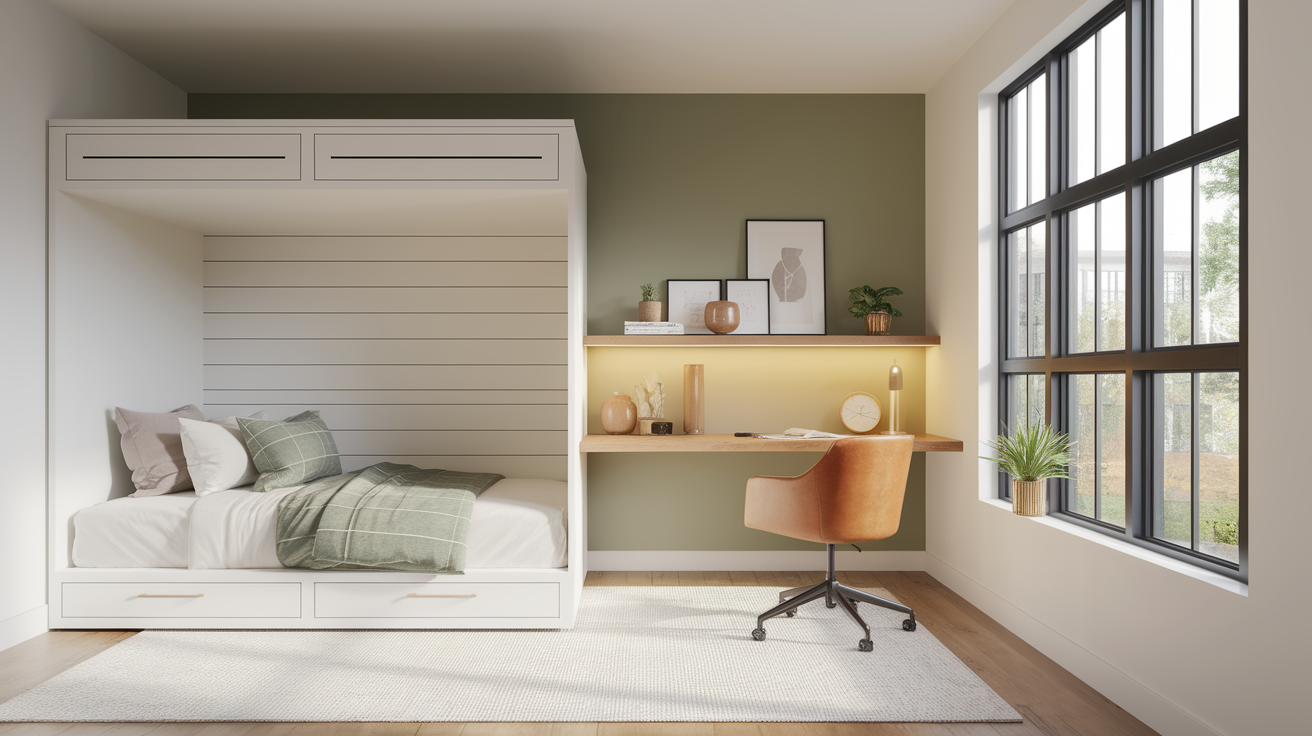
Let’s be honest—most of us don’t have the luxury of dedicating separate rooms for every function we need.
If you’re juggling remote work, creative projects, and the occasional overnight guest, you’ve probably stared at that spare room wondering how on earth you can make it work for everything.
Here’s the good news: you absolutely can create a space that serves as both a productive workspace and a welcoming guest retreat. And no, it doesn’t have to feel cramped, cluttered, or compromised. Whether you’re a creative professional who needs proper lighting and storage for supplies, or simply someone trying to make the most of limited square footage, these solutions will transform your thinking about dual-purpose rooms.
I’m sharing six stunning approaches that blend beautiful design with practical functionality. These aren’t just theoretical concepts—they’re proven strategies that real people use to create spaces that genuinely work.
You’ll discover how to maintain your creative flow while ensuring your guests feel comfortable and welcome. From clever furniture choices to smart storage solutions, each idea addresses the unique challenges of combining work and hospitality in one room.
Ready to transform that spare room into something truly special? Let’s explore these game-changing ideas that prove you don’t have to choose between productivity and hospitality.
The Murphy Bed Masterpiece: Fold Away and Create All Day
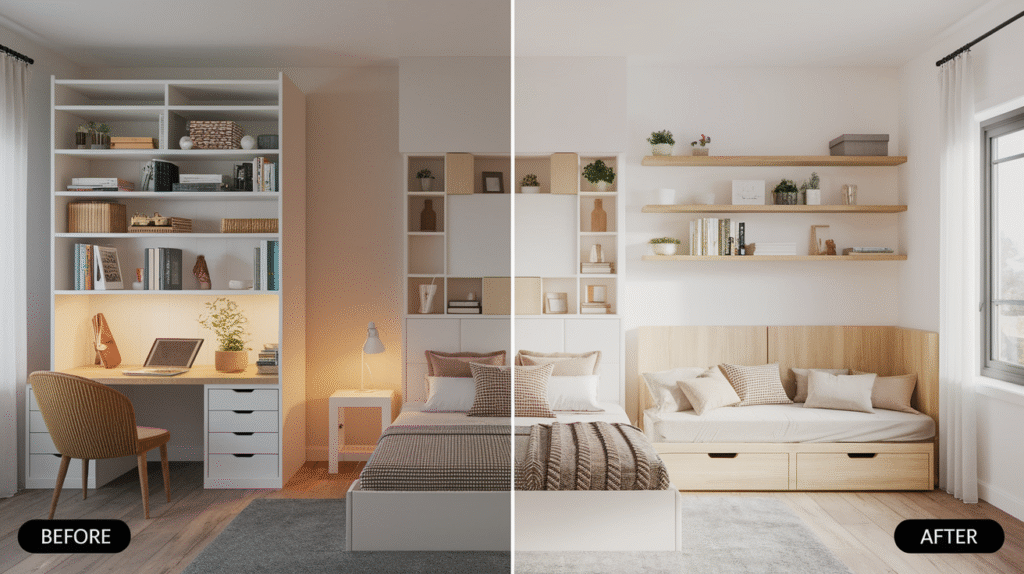
Murphy beds have come a long way from those clunky contraptions your grandparents might have had. Today’s wall beds are sleek, stylish, and incredibly functional—making them perfect for dual-purpose spaces.
Vertical Storage Gallery Walls
The beauty of a Murphy bed setup is all that gorgeous vertical space you gain when the bed folds up. This is your opportunity to create something truly special. Install floating shelves above and around the bed area that serve double duty as both art display and supply storage. I’m talking about showcasing those inspiring art books, small sculptures, and curated color palettes that fuel your creativity.
Consider painting pegboard systems in vibrant colors—think deep teal, warm terracotta, or sophisticated charcoal—and mounting them alongside your bed. These become functional art pieces where you can hang tools, sketches, and works-in-progress. The key is keeping frequently-used supplies accessible while maintaining that gallery-like aesthetic that makes the space feel intentional rather than cluttered.
Use modular shelving systems that you can adjust as your needs change. Mix open shelving with closed cabinets to hide less attractive items while displaying your most beautiful supplies and inspiration pieces.
Desk Positioning for Dual Functionality
Here’s where strategic planning pays off. Place your primary work desk perpendicular to the Murphy bed wall, ideally where it catches the best natural light from your window. This positioning ensures you’re not blocking the bed deployment—measure twice, arrange once!
Choose a desk that makes a statement. A reclaimed wood piece brings warmth and character, while a sleek mid-century modern design adds sophistication. Industrial-style desks with metal frames and wood tops create an artistic vibe that works beautifully in creative spaces. The desk should be substantial enough for serious work but proportional to the room.
Add a rolling cart for art supplies that easily moves when you need to transition from office mode to guest mode. Look for vintage bar carts or modern metal utility carts—they’re both functional and stylish.
Lighting That Inspires
Lighting can make or break a dual-purpose room. Install track lighting or adjustable pendant lights that illuminate both your work area and the sleeping space. The beauty of track lighting is its flexibility—you can direct light exactly where you need it.
Layer your lighting thoughtfully. Task lamps provide focused illumination for detailed work, while ambient fixtures create a welcoming atmosphere for guests. Smart bulbs are absolute game-changers here. Program them for cool, bright light during your creative work hours, then switch to warm, relaxing tones when guests arrive.
Position lighting to eliminate shadows on your workspace while creating cozy pools of light that make guests feel comfortable. Wall sconces on either side of the Murphy bed add a hotel-like touch that guests appreciate.
The Daybed Studio: Artistic Comfort Meets Creative Function
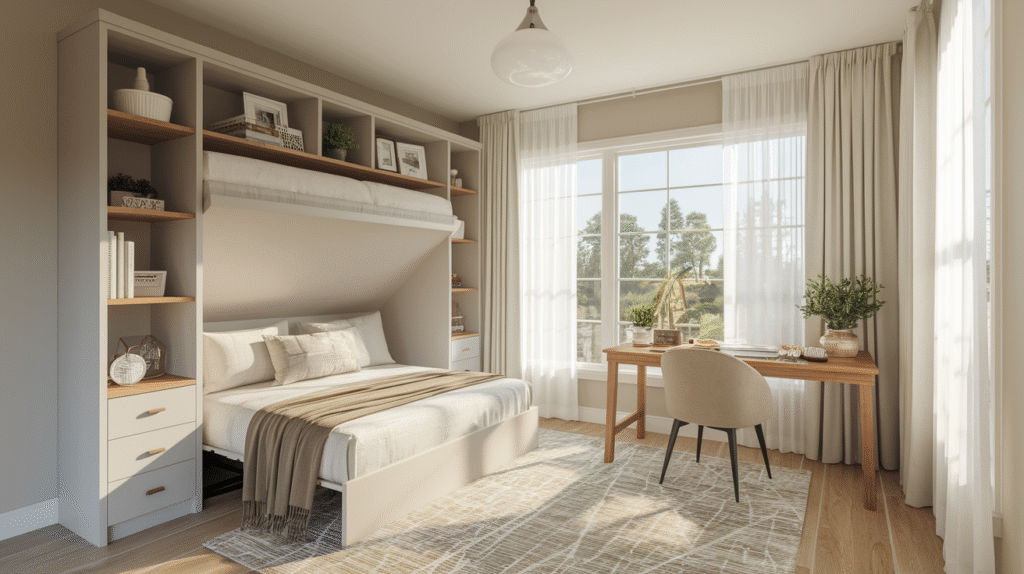
Daybeds offer an elegant solution that doesn’t scream “guest room” when you’re working. They blend seamlessly into office spaces while providing comfortable sleeping quarters when needed.
Strategic Placement and Styling
Position your daybed against the longest wall to maximize floor space for your creative activities. This arrangement creates a natural flow and keeps the room feeling spacious rather than cramped. Style it with expressive throw pillows in rich textures—velvet, linen, embroidered cotton—and captivating patterns that reflect your artistic sensibility.
During work hours, the daybed becomes additional seating. It’s perfect for those moments when you need to step back and view your work from a different perspective, or when you want to sketch in a more relaxed position. Choose a frame with built-in storage drawers underneath—this is prime real estate for art supplies, extra linens, or portfolio storage.
Look for daybeds with trundle options if you frequently host multiple guests. The second bed slides completely out of sight when not needed, giving you maximum flexibility without sacrificing floor space.
Defining Zones with Artistic Room Dividers
Creating visual separation between work and sleep zones helps your brain switch modes more effectively. A beautiful folding screen featuring artwork or inspiring patterns adds character while dividing the space. Look for vintage screens at estate sales or commission a local artist to create something unique.
Floor-to-ceiling curtains in unique fabrics provide flexible division—open them for an airy feel, close them when you need focused work time or when guests want privacy. Choose fabrics with interesting textures or subtle patterns that add visual interest without overwhelming the space.
Open shelving units work brilliantly as functional dividers. They provide storage and display space while maintaining sight lines that keep the room feeling open. Style them with a mix of art supplies, books, plants, and decorative objects that bring personality to your space.
For something truly creative, consider a hanging plant wall or macramé divider that adds organic beauty while softly separating zones. This living element brings freshness and improves air quality—benefits for both working and sleeping.
Multi-Purpose Furniture for the Creative Mind
Every piece of furniture in a dual-purpose room needs to earn its place. Invest in a stunning desk with ample surface area for various projects and computer work. L-shaped desks maximize corner spaces beautifully, while writing desks with drawers keep supplies organized.
Your office chair matters more than you might think. Choose one that provides ergonomic support during long work sessions but also complements the room’s aesthetic. Many modern office chairs are designed with style in mind—you don’t have to sacrifice looks for comfort.
Add a vintage trunk or upholstered ottoman that provides hidden storage, serves as extra seating, and functions as a coffee table for guests. These versatile pieces adapt to whatever the moment requires. Select furniture in a cohesive color palette—this creates visual harmony that makes the space feel intentional and well-designed rather than thrown together.
The Loft Bed Innovation: Elevated Sleeping, Ground-Level Creating
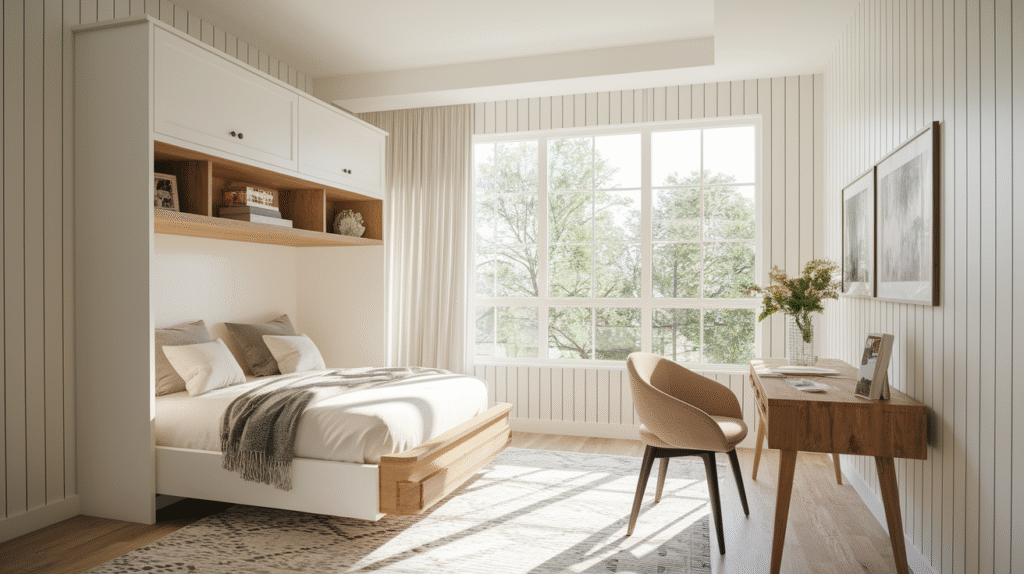
If you have the ceiling height (at least nine feet), a loft bed configuration opens up incredible possibilities. This solution is particularly effective in smaller rooms where every square foot counts.
Creating Your Dream Workspace Below
Design a complete office setup underneath the loft with proper desk height and comfortable seating. You’ll need minimum four feet of headroom to work comfortably without feeling cramped—measure carefully before committing to this setup.
Install beautiful task lighting that illuminates your workspace without disturbing sleeping guests above. Clip-on lamps, under-shelf lighting, or wall-mounted swing-arm fixtures all work wonderfully. The key is directing light downward and avoiding bright overhead fixtures that shine into the loft area.
Use the walls surrounding your workspace for pegboards, cork boards, or magnetic surfaces to display inspiring imagery and current projects. This vertical storage keeps your desk surface clear while keeping everything you need within arm’s reach. Paint the pegboard to match your color scheme, or use it as an accent wall in a bold, energizing color.
Consider the acoustics—add a small rug under your desk area to absorb sound and create a defined workspace zone. This matters both for your concentration and for guest comfort.
Making the Loft Inviting and Accessible
Choose a loft bed with sturdy, easy-to-climb stairs rather than ladders. Guests (especially older ones) will appreciate the easier access, and stairs with built-in storage are incredibly practical. Some designs feature alternating tread stairs that take up less space than traditional staircases while remaining comfortable to climb.
Style the elevated sleeping area with cozy bedding and soft lighting to create a retreat-like atmosphere. String lights or a small reading lamp mounted to the wall add ambiance without taking up space. Add small shelves or ledges near the bed where guests can place their phone, glasses, or a book—these thoughtful touches make guests feel truly welcome.
Ensure proper ventilation in the loft space. Heat rises, so the loft area can get warm. A small, quiet fan mounted to the wall or ceiling provides air circulation and white noise that helps guests sleep better. Consider blackout curtains or a privacy screen that guests can close for a more enclosed, cozy feeling.
Storage Solutions That Inspire
Utilize every inch of that staircase. Built-in drawers in the steps provide fantastic storage for art supplies, reference materials, or guest linens. Each step becomes a drawer—it’s ingenious and space-efficient.
Install floating shelves on walls leading up to the loft for displaying artwork, collections, or plants. This vertical gallery draws the eye upward and makes the room feel larger while showcasing items that inspire you. Arrange items in odd-numbered groupings (three or five pieces) for the most visually pleasing display.
Use matching storage boxes and baskets that are both functional and beautiful. Woven baskets add texture and warmth, while sleek boxes in coordinating colors create a more modern look. Label them discreetly so you can find what you need quickly.
Create a cohesive look with a unified color scheme that ties the entire vertical space together. This might mean painting the loft bed frame, stairs, and shelving units the same color, or using a complementary palette that creates visual flow from floor to ceiling.
The Convertible Desk-to-Guest-Bed Solution: Transformative Design Magic
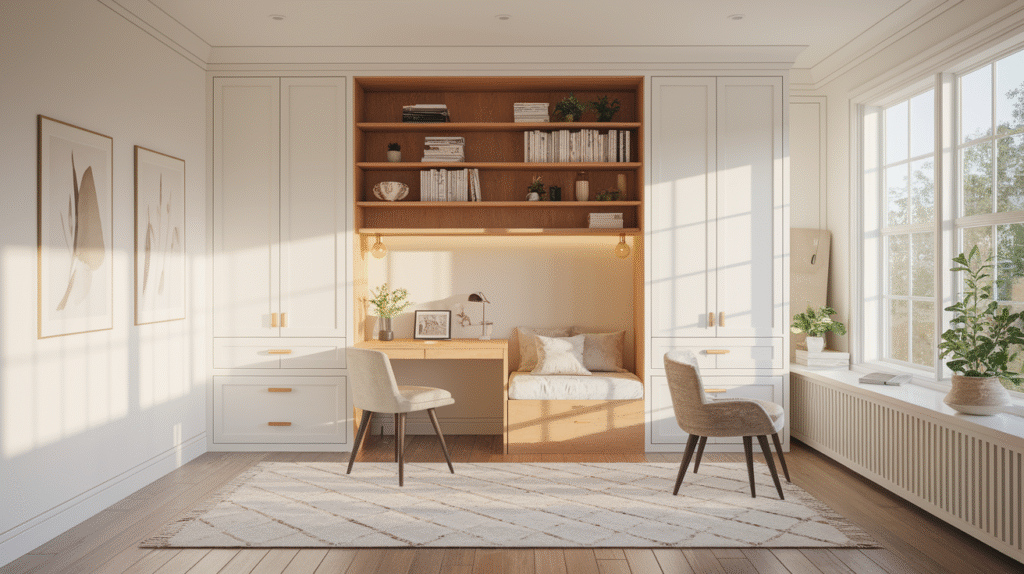
Modern convertible furniture has evolved dramatically, offering solutions that are both functional and beautiful. These transformative pieces are perfect for smaller spaces where a permanent bed would overwhelm the room.
Desk Systems with Hidden Sleeping Quarters
Today’s convertible furniture goes far beyond the futon. Investigate modern systems where a desk literally folds out to reveal a comfortable bed underneath. Some designs feature desks that pivot and fold down, while others have beds that pull out horizontally from what appears to be a cabinet or credenza.
Look for designs with built-in storage that remains accessible in both configurations. The best systems include shelving, drawers, or cubbies that don’t get blocked when you transform the piece from desk to bed. This means your art supplies stay organized and reachable regardless of which mode you’re in.
Choose pieces with clean, artistic lines that enhance rather than clutter your space. Convertible furniture can sometimes look bulky or institutional, so select designs with thoughtful proportions and quality materials. Wood finishes bring warmth, while white or light-colored pieces keep the room feeling open and airy.
Consider custom solutions from local craftspeople or specialized furniture makers. While more expensive upfront, a custom piece designed for your exact needs and space dimensions often works better than mass-produced options. Plus, you’re supporting local artisans and getting something truly unique.
Styling for Seamless Transitions
The key to successful convertible spaces is making transitions effortless. Keep desk supplies organized in beautiful containers that can quickly be moved or stored when you need to convert to guest mode. Woven baskets, wooden boxes, or metal bins that match your decor make this process feel less like a chore.
Use a color palette that works for both office and bedroom functions. Calming blues and greens promote both focus and relaxation. Warm neutrals create a sophisticated backdrop that feels professional yet welcoming. Add pops of color through accessories that can easily be swapped or moved.
Add personal touches like framed artwork that creates an expressive environment in either mode. Choose pieces that inspire your work but also make guests feel they’re in a thoughtfully designed space. Avoid overly personal items like family photos in the guest sleeping area—keep those on your desk side.
Maintain a clutter-free surface with vertical storage solutions and wall-mounted organizers. The less you have to move during the transition, the more likely you’ll actually use both functions of the space. Install hooks near the door for bags and coats, keeping floors clear and welcoming.
Maximizing Wall Space for Creative Expression
When floor space is limited, walls become your best friend. Install floor-to-ceiling shelving that showcases art supplies, books, and decorative objects. Adjustable shelving systems let you reconfigure as your needs change—what starts as book storage might later hold art supplies or guest amenities.
Create a gallery wall with your own artwork or pieces that fuel your creative spirit. This serves dual purposes: inspiring your work and making the space feel personal and curated for guests. Mix different frame sizes and styles for an eclectic, collected-over-time look, or keep frames uniform for a more streamlined aesthetic.
Use magnetic paint or panels for easily rotating inspiration boards and work samples. This gives you flexibility to change what’s displayed without putting new holes in your walls. Magnetic strips also work wonderfully for holding scissors, rulers, and other metal tools within easy reach.
Add hooks and rails for hanging bags, portfolios, and frequently-used tools. Over-the-door organizers, wall-mounted rail systems, and decorative hooks all maximize vertical storage while keeping items accessible. Choose hardware that matches your room’s style—brass for warmth, matte black for modern edge, or white for seamless integration.
Making Your Combo Space Work: Essential Tips for Success
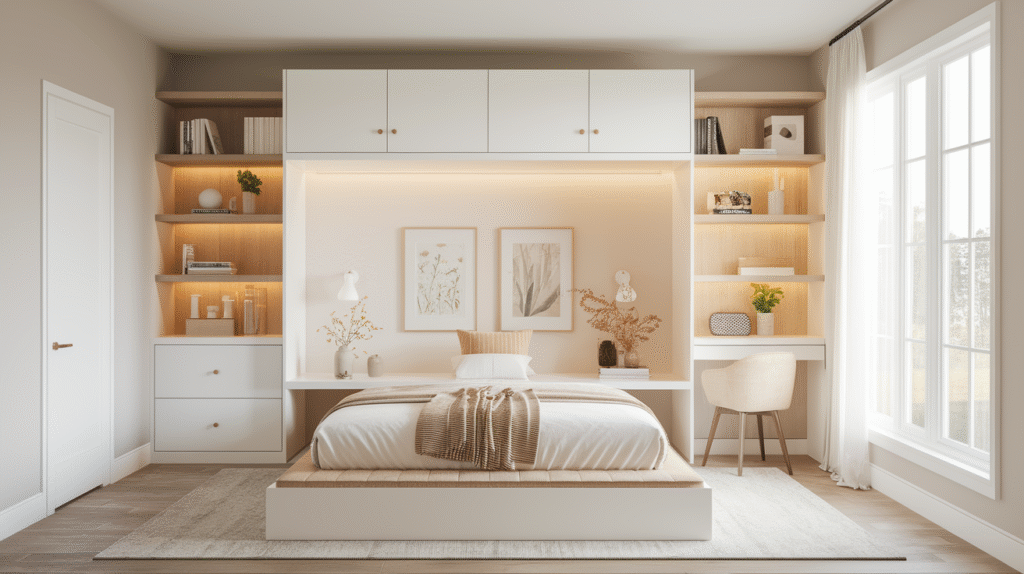
Beyond the specific furniture configurations, certain principles make any guest bedroom office combo successful. Let’s talk about the details that transform a good dual-purpose room into a great one.
Color Psychology and Visual Flow
Choose your color scheme thoughtfully. Blues and greens promote both productivity and relaxation—they’re scientifically proven to reduce stress and enhance focus. Warm neutrals like beige, taupe, and soft gray create sophisticated backdrops that work equally well for concentration and rest.
Avoid overly stimulating colors in large doses. That vibrant orange might energize your morning work sessions, but it could keep guests awake at night. Instead, use bold colors as accents through artwork, pillows, or accessories that can be toned down when guests arrive.
Create visual flow by repeating colors and materials throughout the space. If your desk is walnut wood, echo that warmth in your bedside table or shelving. If you use brass hardware on your storage, repeat it in your lighting fixtures. These subtle connections make the space feel cohesive and intentional.
Storage Systems That Actually Work
Invest in quality storage solutions that make organization effortless. Clear acrylic organizers let you see what you have at a glance. Drawer dividers keep small items from becoming jumbled messes. Label makers aren’t just for neat freaks—they’re practical tools that help everyone in your household know where things belong.
Create zones for different types of items. Office supplies in one area, guest linens in another, creative materials in a third. This organization system makes transitions between office and guest mode much smoother because you’re not hunting for things.
Use the back of your door. Over-the-door organizers, hooks, or hanging storage pockets provide extra space without taking up valuable floor or wall real estate. This is perfect for items you need frequently but don’t want permanently displayed.
Guest Comfort Essentials
Never forget that when guests arrive, this needs to feel like a proper bedroom. Keep a basket of essentials ready: fresh towels, extra blankets, phone chargers, a water carafe with glasses, and perhaps some local guidebooks or magazines. These thoughtful touches make guests feel truly welcome rather than like they’re sleeping in your office.
Invest in a quality mattress, whether it’s for a daybed, Murphy bed, or loft. Your guests’ sleep quality matters, and a comfortable mattress makes all the difference between them feeling like valued visitors and feeling like they’re roughing it.
Provide adequate storage for guests’ belongings. Clear a drawer, provide empty hangers in a closet, or offer a luggage rack where they can place their suitcase. Guests shouldn’t have to live out of their bags during their stay.
Creating Your Perfect Dual-Purpose Space
Limited space doesn’t mean limited possibilities. These six stunning solutions prove you can absolutely have both a productive workspace and a welcoming guest room—without compromise. Whether you choose the vertical efficiency of a Murphy bed, the flexibility of a daybed, the innovation of a loft setup, or the magic of convertible furniture, the right solution for your space exists.
The most successful combo spaces share three qualities: they prioritize flexibility, embrace smart organization, and include inspiring design elements that make the space enjoyable to be in. Your dual-purpose room should reflect your unique style while meeting your practical needs. Don’t be afraid to mix and match ideas—maybe you love the Murphy bed concept but want to incorporate the room divider strategy from the daybed approach.
Start by measuring your space carefully and identifying which solution best fits your lifestyle, budget, and creative needs. Consider how often you have guests versus how often you work in the space. Think about your storage requirements and what furniture you already own that might work in your new layout.
Remember, creating a beautiful, functional dual-purpose space is itself a creative project. Approach it with the same artistic vision and problem-solving skills you bring to your other work. Take your time, plan thoughtfully, and don’t rush the process. The result will be a space that truly works for you—one that enhances your productivity while making guests feel genuinely welcome.
Ready to transform that spare room into something extraordinary? Start planning today. Measure your space, browse furniture options, and begin envisioning how these ideas could work in your home. Your perfect guest bedroom office combo is waiting to be created—and you now have the roadmap to make it happen.

